The most celebrated Indian classical musicians of the last century include sitarist Ravi Shankar, shehnai master Bismillah Khan, Carnatic vocalist M. S. Subbulakshmi, sarod players Ali Akbar Khan and Amjad Ali Khan, sitarist Vilayat Khan, tabla maestro Zakir Hussain and bansuri master Hariprasad Chaurasia. Together they took Hindustani and Carnatic music from royal courts and temples to concert halls around the world.
Updated 12 October 2026. Dates and honours are drawn from standard reference sources; where sources differ, the text says so. The list is a starting point, not a ranking, and many great artists are missing from it.
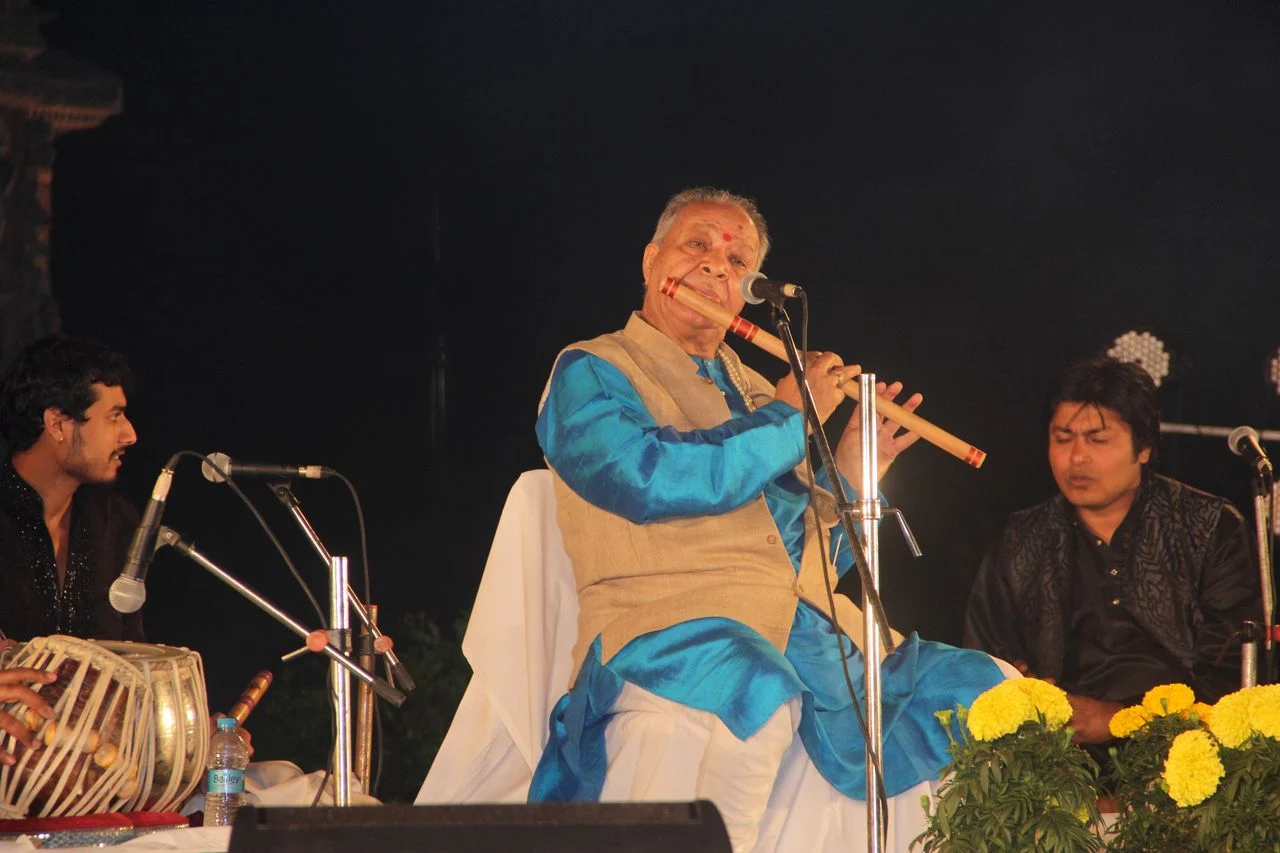
Famous Indian classical musicians at a glance
| Musician | Instrument or voice | Tradition | Lifespan |
|---|---|---|---|
| Ravi Shankar | Sitar | Hindustani | 1920 to 2012 |
| Bismillah Khan | Shehnai | Hindustani | 1916 to 2006 |
| M. S. Subbulakshmi | Voice | Carnatic | 1916 to 2004 |
| Ali Akbar Khan | Sarod | Hindustani | 1922 to 2009 |
| Vilayat Khan | Sitar | Hindustani | 1928 to 2004 |
| Amjad Ali Khan | Sarod | Hindustani | Born 1945 |
| Hariprasad Chaurasia | Bansuri | Hindustani | Born 1938 |
| Zakir Hussain | Tabla | Hindustani | 1951 to 2024 |
Who are the most famous Indian classical musicians?
Fame in classical music is hard to measure, because the tradition values depth, lineage and live performance over record sales. Still, a handful of names recur in almost every list, both for their artistry and for the way they made Indian music known abroad. Many of them belonged to hereditary families of musicians, called gharanas, in which style and repertoire passed from teacher to student over generations. The sections below look at each in turn, with notes on what to listen for.
Who was Ravi Shankar?
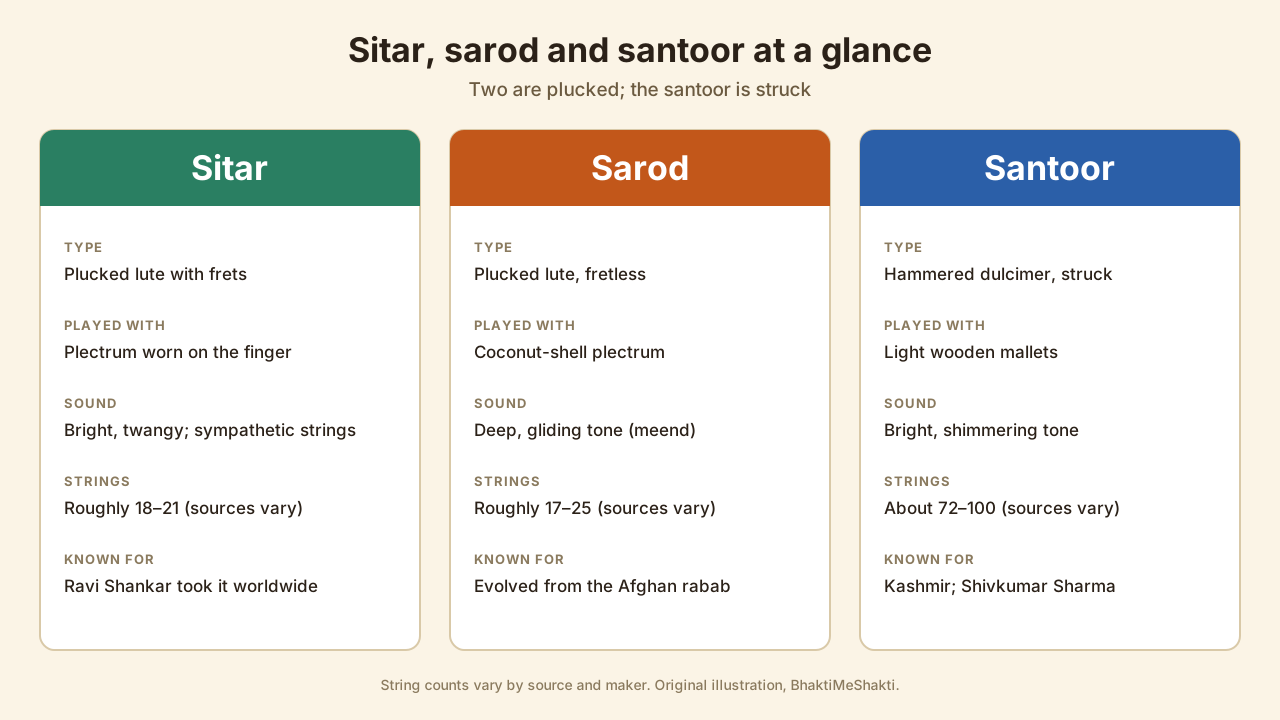
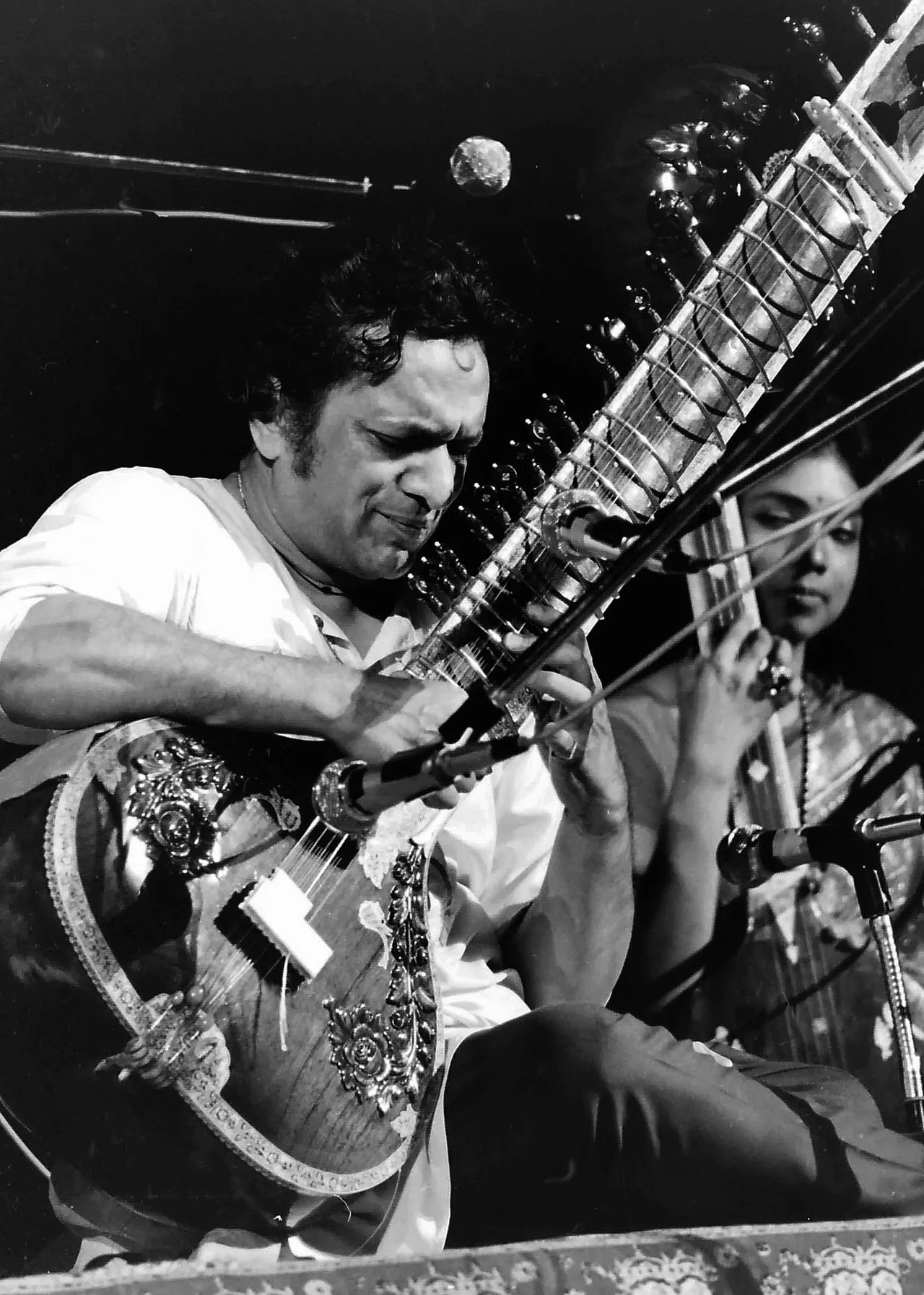
Pandit Ravi Shankar (1920 to 2012) was born in Varanasi and trained as a sitarist under Allauddin Khan of Maihar. He became the best-known Indian musician in the world, partly through his friendship with the Beatles guitarist George Harrison, and through performances at the Monterey Pop Festival in 1967, Woodstock in 1969 and the Concert for Bangladesh in 1971. He was awarded the Bharat Ratna, India’s highest civilian honour, in 1999. His daughters Anoushka Shankar and Norah Jones are both musicians. To understand the instrument he played, see our guide to the differences between the sitar, sarod and santoor.
Who was Bismillah Khan?
Ustad Bismillah Khan (1916 to 2006) took the shehnai, a double-reed wind instrument traditionally played at temples and weddings, onto the concert stage. He lived and played in Varanasi and was often heard on the ghats and at the Kashi Vishwanath Temple. He is widely reported to have played on the first Independence Day, 15 August 1947, at the Red Fort in Delhi, a moment recalled in our guide to the Red Fort. He received the Bharat Ratna in 2001. The city that shaped him is described in the Varanasi ghats guide.
Who was M. S. Subbulakshmi?
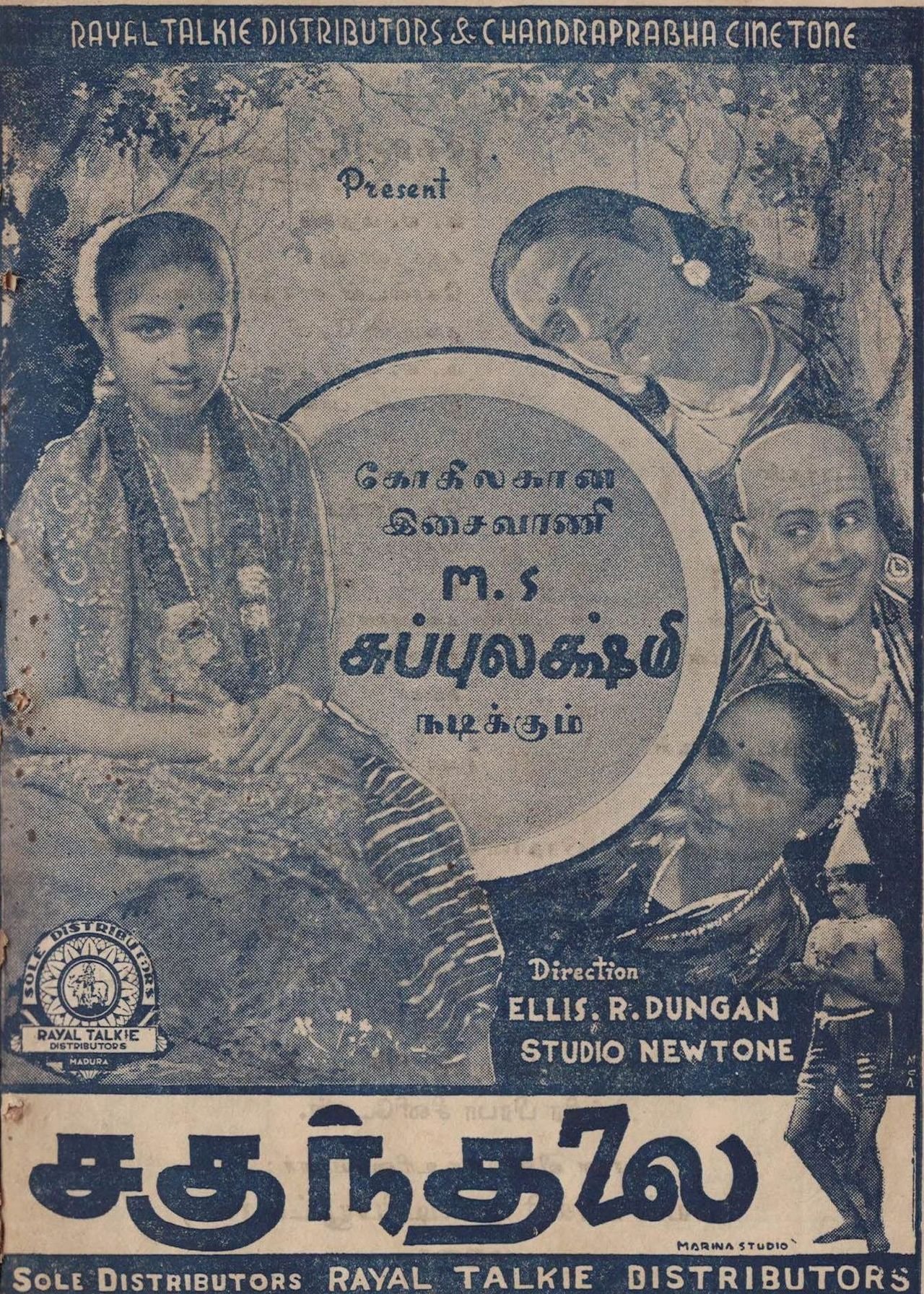
Madurai Shanmukhavadivu Subbulakshmi (1916 to 2004), known as M. S., was the most celebrated Carnatic vocalist of the 20th century. She began her career as a child performer, acted in films in the 1940s, and became famous for devotional music, including her recording of the Venkateswara Suprabhatam, which is played in many homes and temples. She was the first musician to receive the Bharat Ratna (1998) and won the Ramon Magsaysay Award in 1974. If you are new to the southern tradition, our guide to Hindustani and Carnatic music is a good place to start.
Who were Ali Akbar Khan and Amjad Ali Khan?
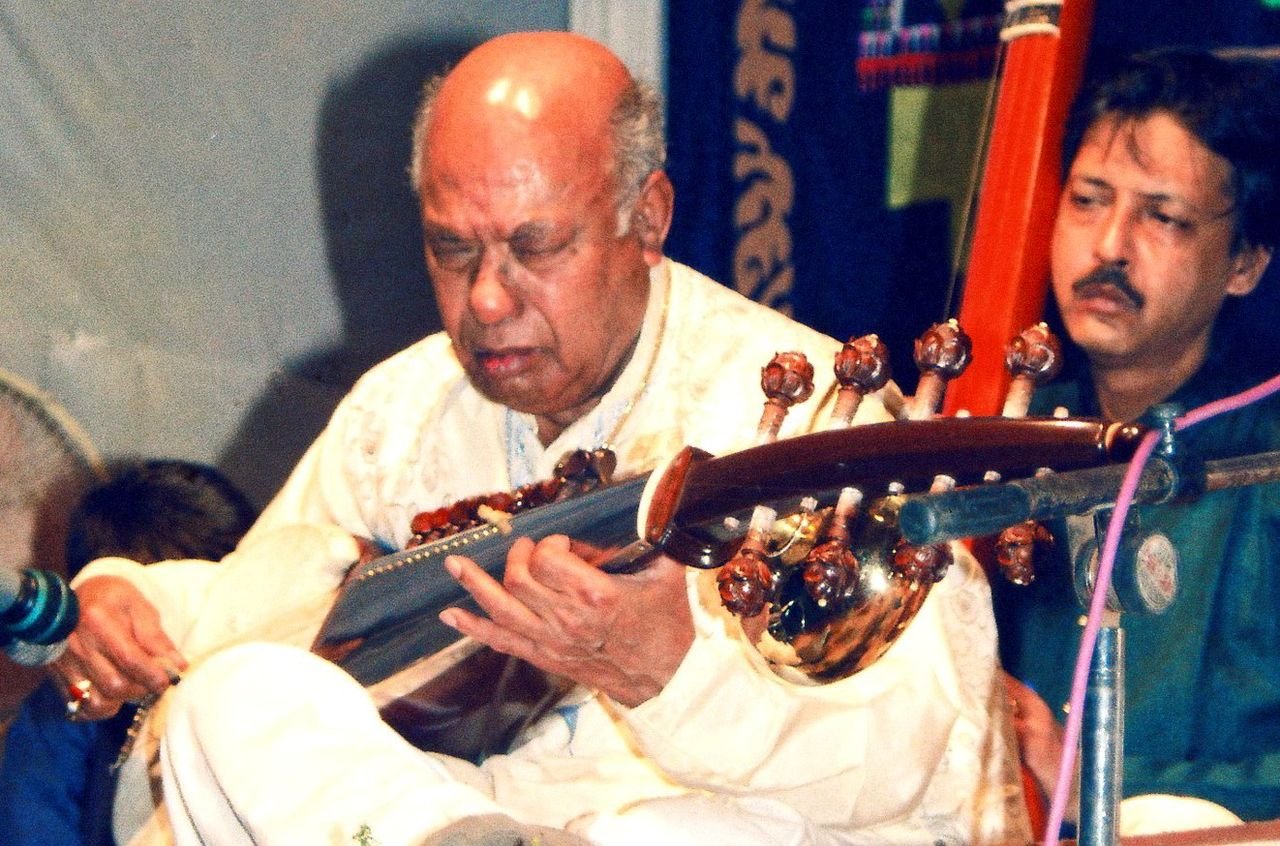
Ustad Ali Akbar Khan (1922 to 2009) was a sarod virtuoso of the Maihar tradition and the son and student of Allauddin Khan. He taught in the United States from the 1960s and founded a college of music in California. Ustad Amjad Ali Khan, born in 1945, belongs to the Gwalior-Bangash lineage of sarod players and is known for a singing, lyrical tone. Both artists show how a fretless stringed instrument can imitate the human voice.
Who was Vilayat Khan?
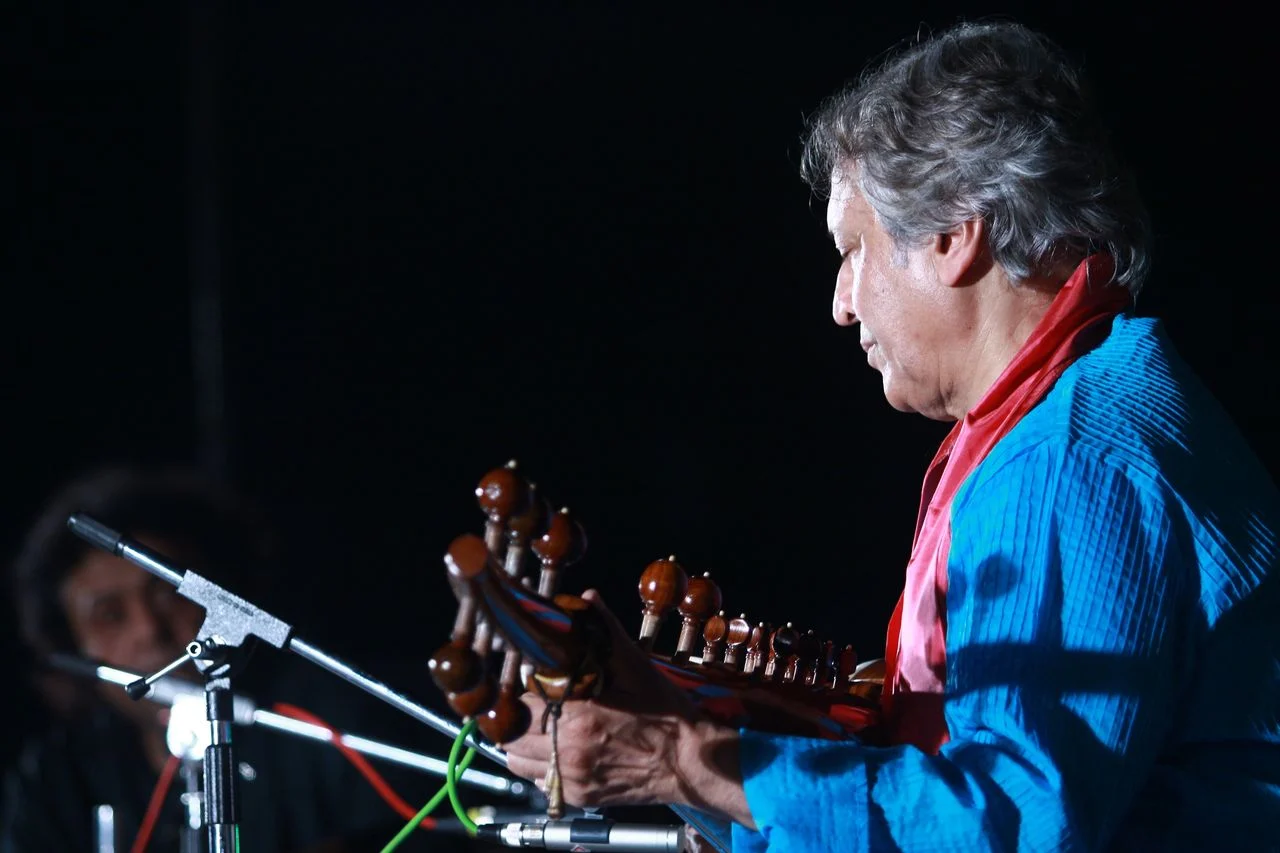
Ustad Vilayat Khan (1928 to 2004) was a sitarist of the Imdadkhani school, which is known as the Etawah gharana in some sources. His style, called gayaki ang, tries to reproduce the nuances of singing on the sitar, with long sliding notes. He was an influential rival and contemporary of Ravi Shankar, and the two styles are often compared by listeners. He famously declined several state honours, which is a story widely told about him, though you should check details in a biography.
Who is Hariprasad Chaurasia?
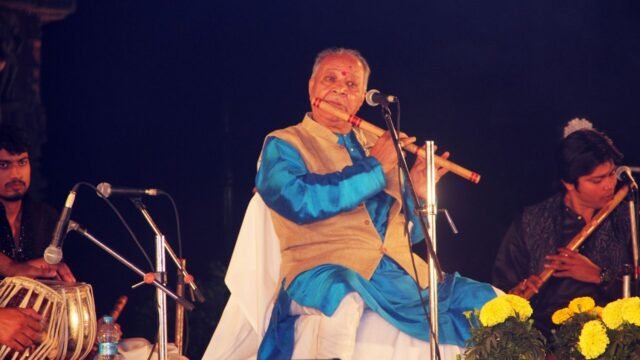
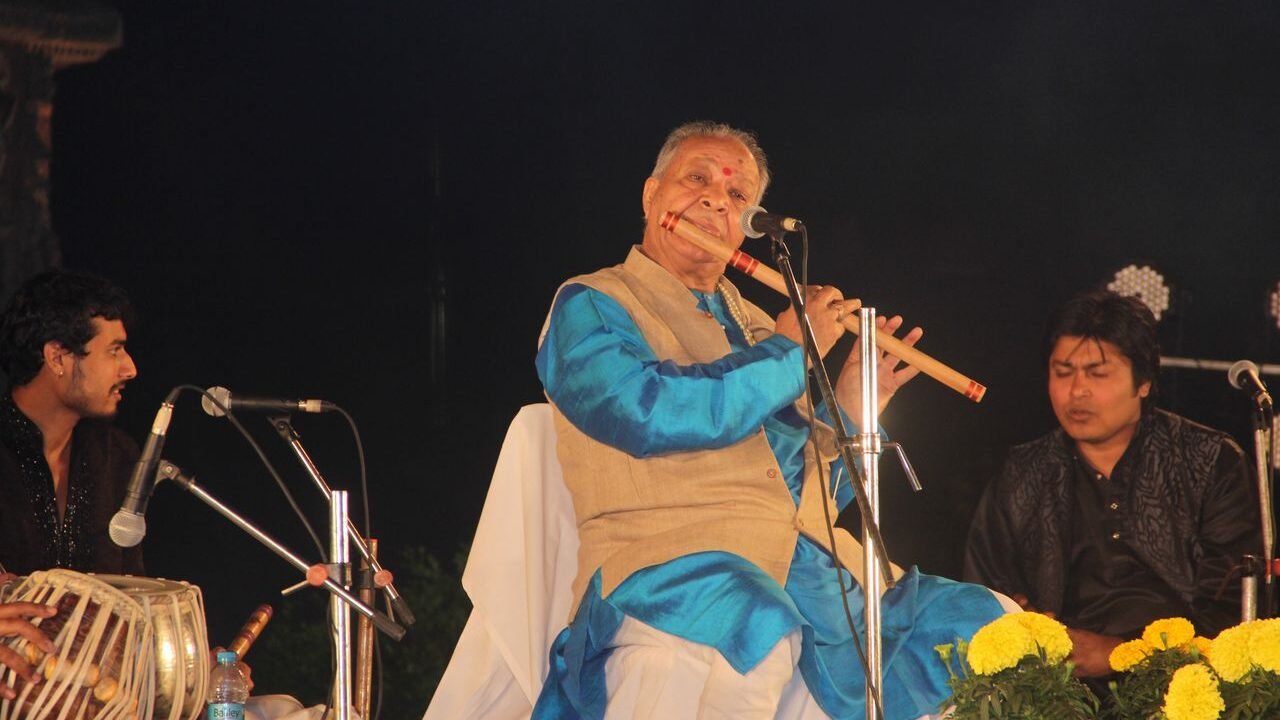
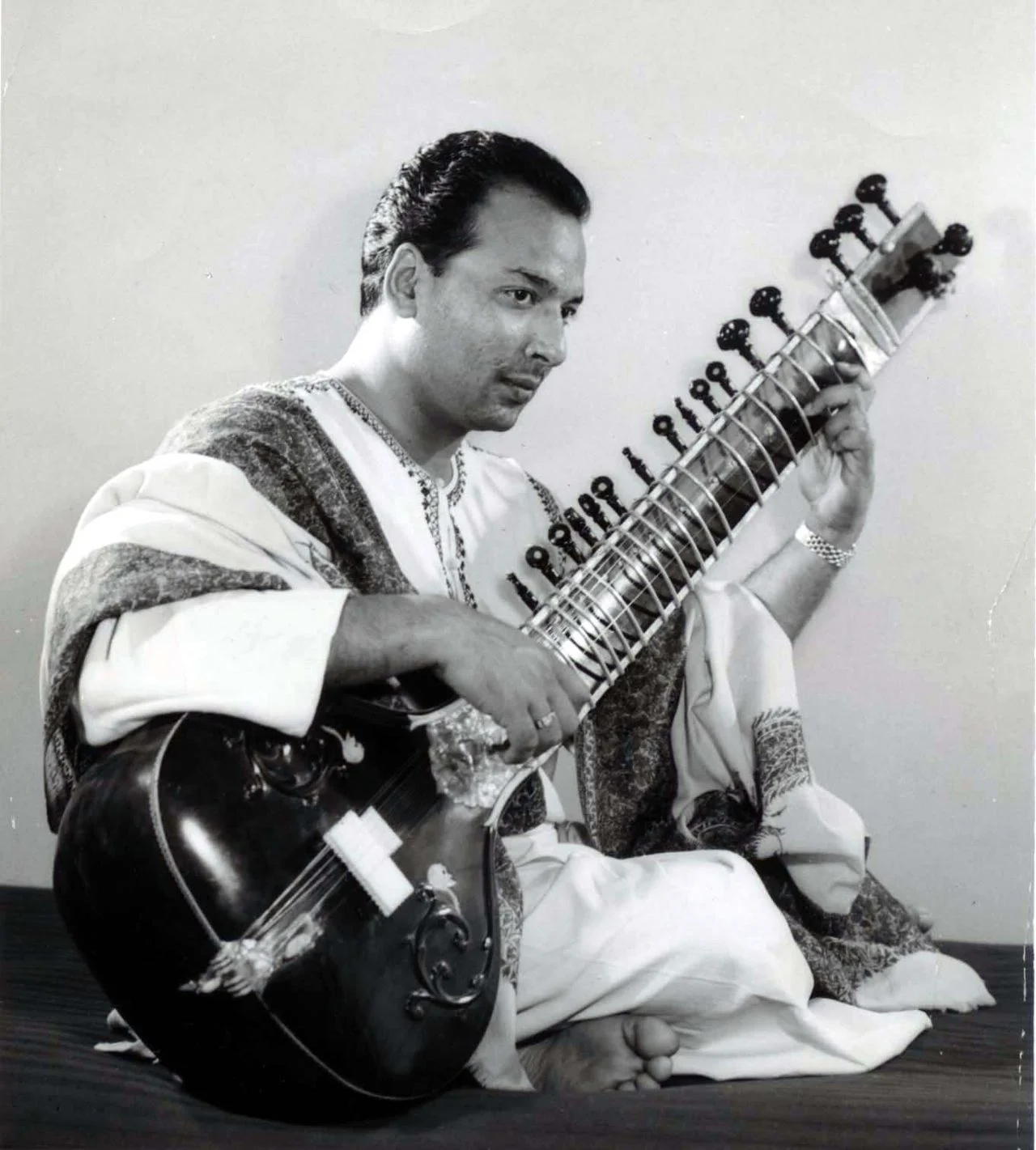
Pandit Hariprasad Chaurasia, born in 1938 in Prayagraj (then Allahabad), is the best-known player of the bansuri, the bamboo flute associated with Krishna. The son of a wrestler, he began with singing and later studied under Annapurna Devi, according to common biographical accounts. He has performed around the world and also composed film music with the sitarist Shivkumar Sharma. Read the full story of the instrument in our bansuri guide.
Who was Zakir Hussain?
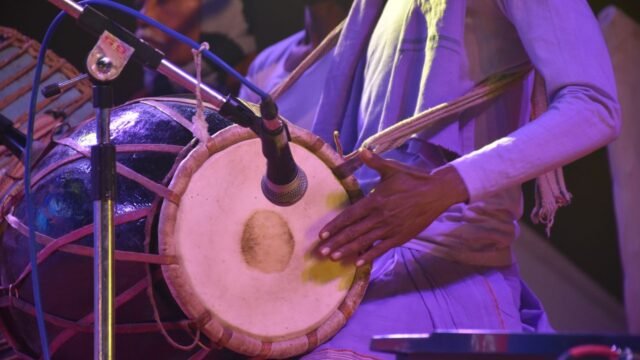
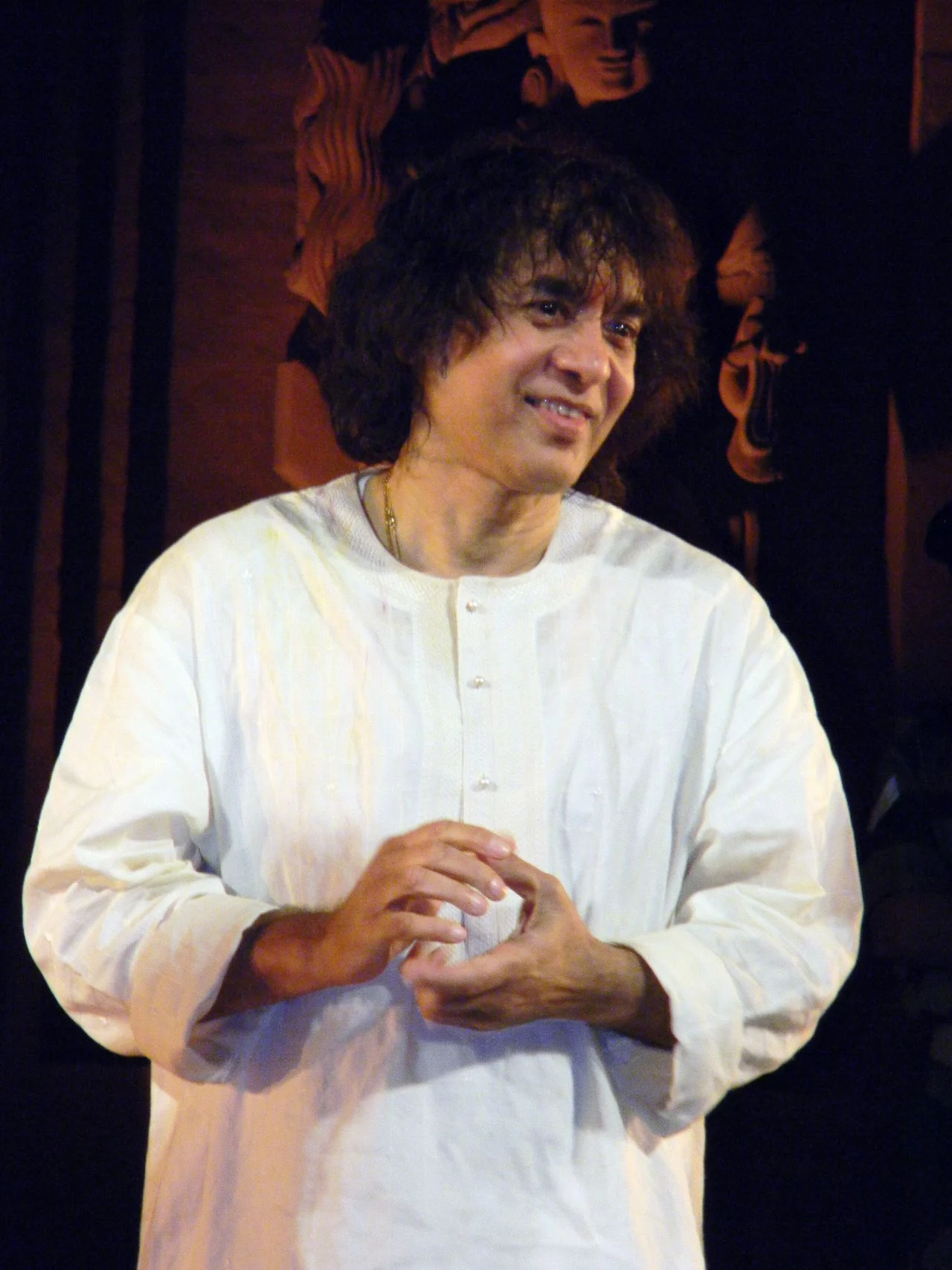
Ustad Zakir Hussain (1951 to 2024) was the son of the tabla master Alla Rakha and became the most famous tabla player in the world. He performed as a soloist, as an accompanist to the greatest Hindustani musicians and in fusion projects with Western and jazz musicians, including the group Shakti. He won several Grammy Awards, including three at the 2024 ceremony, and died in December 2024. To follow what a tabla player is doing, read our explainer on taal and Teentaal and our guide to the tabla and its gharanas.
What is a gharana, and why does it matter?
A gharana is a lineage of teachers and students who share a recognisable style. The word is linked to ghar, the Hindi word for home, because a gharana was once a family of musicians. Each gharana has its own way of developing a raga, shaping notes and handling rhythm, which is why two players of the same instrument can sound very different. The Maihar tradition produced Ravi Shankar and Ali Akbar Khan, who both learned from Allauddin Khan, while Vilayat Khan’s school took a different path. Knowing the gharana helps a listener understand what the musician is trying to preserve and what they choose to change.
Who carries the tradition forward today?
Many of the great teachers passed their art to children and students. Anoushka Shankar, Ravi Shankar’s daughter, performs on the sitar, and Rakesh Chaurasia, nephew and student of Hariprasad Chaurasia, plays the bansuri. Amaan and Ayaan Ali Bangash, sons of Amjad Ali Khan, play the sarod. Vocalists such as the late Bhimsen Joshi (1922 to 2011), who received the Bharat Ratna in 2008, also left a large body of recordings and a generation of students. Younger musicians increasingly share concerts online, which helps listeners find live music near them, and festivals across India still run all-night classical concerts in winter.
What makes these musicians great?
Several qualities recur across these artists. First, command of raga: each could develop a raga slowly and deeply, revealing it note by note. Our beginner guide to what a raga is explains why this matters. Second, rhythmic mastery of the taal cycle. Third, a personal tone that identifies the player within a few notes. Fourth, a willingness to teach, so that lineages continued. Finally, a sense of the emotional colour of the music, a quality that Indian aesthetics describes through the nine rasas explained in Navarasa.
Why do these musicians still matter today?
These artists matter because they kept a spoken, listening-based tradition alive through enormous social change, from the end of princely patronage to the age of streaming. They also showed that Indian classical music could speak to listeners who did not know the language of raga and taal. Their recordings are now an archive that new students study note by note, and their concerts still set the standard against which younger players are measured. For a listener, they offer something rare: music made slowly, in the moment, with room for silence.
Watch: three legends in performance
These three videos let you hear the artists described above. The first is Ravi Shankar playing Morning Raga, the second is a documentary-style tribute to Bismillah Khan, and the third is M. S. Subbulakshmi singing Bhaja Govindam. They are third-party videos, and their views are those of their makers.
How should a beginner start listening?
Start with one artist and one raga, and listen to the same piece more than once. Choose a short, melodic performance of 15 to 30 minutes before trying an hour-long concert recording. Ravi Shankar’s morning ragas, Bismillah Khan’s shehnai and M. S. Subbulakshmi’s devotional recordings are all accessible entry points. When you feel at home, explore other instruments, such as the veena, and then regional folk and visual traditions, for which our guide to Indian folk paintings offers a companion. If you can, attend a live concert, since the music is designed to be heard in a room, not through a speaker.
Sources used for this article: general reference works and the Wikipedia biographies of the artists named, and the official Bharat Ratna and Padma awards lists for honours. Birth and death years are as given in those sources; details of private lives and some anecdotes are repeated widely but not always documented. Photographs are used under Creative Commons licences or in the public domain, with credit shown beneath each picture.
Frequently asked questions
-
Who is the most famous Indian classical musician?
Ravi Shankar is often named as the best known abroad, while M. S. Subbulakshmi, Bismillah Khan and Zakir Hussain are among the most celebrated at home and worldwide.
-
Who was the first musician to receive the Bharat Ratna?
M. S. Subbulakshmi, the Carnatic vocalist, received the Bharat Ratna in 1998 and is described as the first musician to receive it.
-
Which instrument did Ravi Shankar play?
The sitar. He was born in Varanasi in 1920 and died in 2012.
-
Who played the shehnai at Independence Day 1947?
Ustad Bismillah Khan is widely reported to have played the shehnai at the Red Fort on 15 August 1947.
-
What is the difference between the sitar and the sarod?
The sitar is a plucked, fretted instrument, while the sarod is fretless with a metal fingerboard. Our guide on sitar, sarod and santoor explains the differences.
-
Who is Hariprasad Chaurasia?
He is the best-known bansuri (bamboo flute) player of Hindustani music, born in 1938 in Prayagraj.
-
How can I start listening to Indian classical music?
Pick one artist and one short raga recording of 15 to 30 minutes, listen several times, and then explore other instruments and live concerts.