
In Hindustani classical music, ragas are traditionally assigned to a time of day or a season. The day is divided into eight praharas of about three hours each, so Bhairav and Todi belong to the morning, Bhimpalasi and Sarang to the afternoon, Yaman, Puriya and Marwa to the evening, and Malkauns, Darbari and Bageshree to the night. This is a living convention of the tradition, not a scientific law.
Updated 12 October 2026. Raga timings differ between teachers, gharanas and printed charts, so treat the times in this guide as common approximations and ask your own guru or a trusted musician when in doubt.
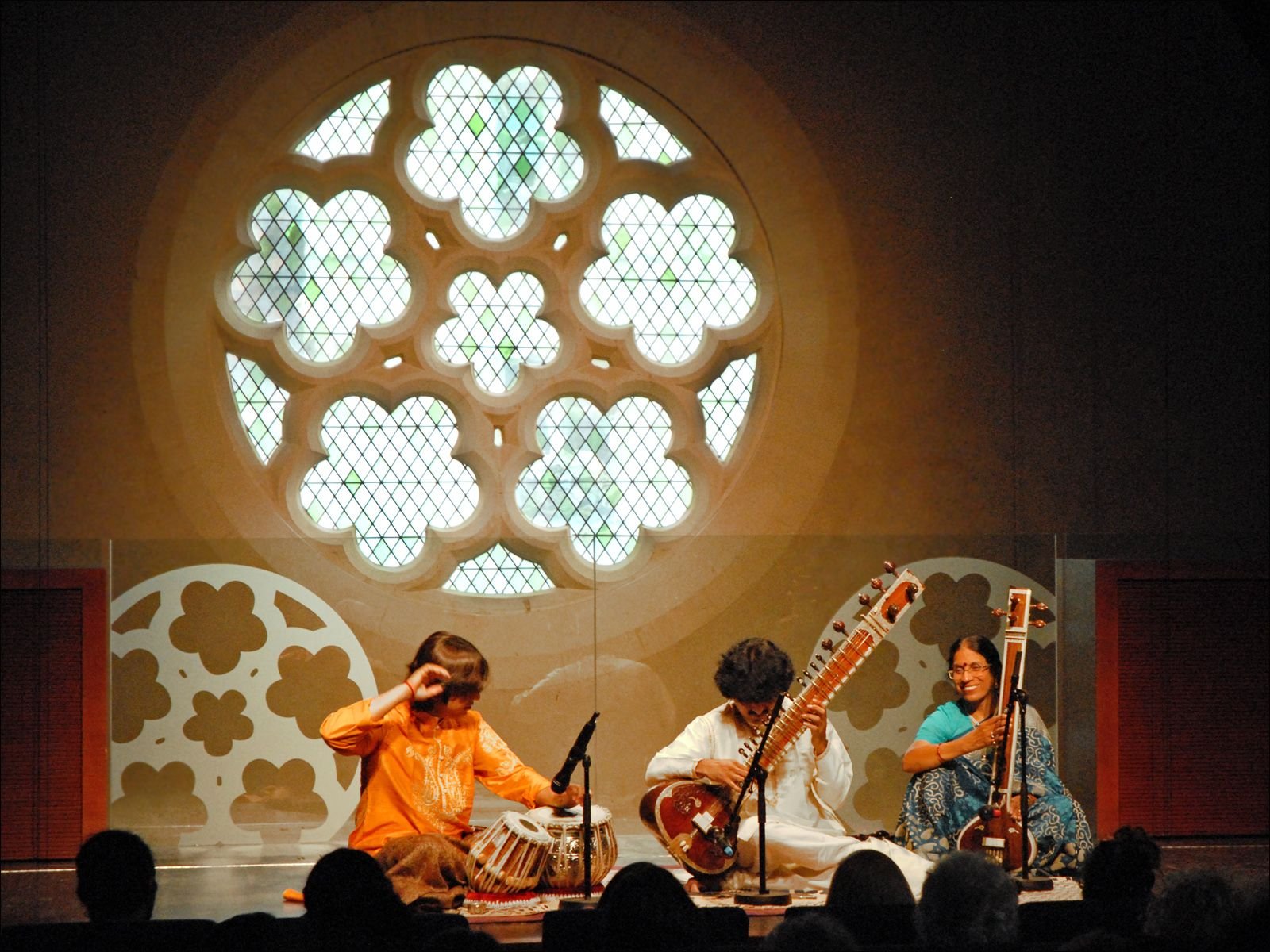
Ragas by time of day at a glance
| Time slot | Rough hours | Example ragas |
|---|---|---|
| Dawn (sandhi prakash) | About 4 to 7 am | Bhairav, Ramkali |
| Morning | About 7 am to noon | Todi, Ahir Bhairav, Bilaskhani Todi |
| Afternoon | About noon to 6 pm | Sarang, Multani, Bhimpalasi |
| Dusk (sandhi prakash) | About 6 to 8 pm | Puriya, Marwa |
| Early night | About 7 to 10 pm | Yaman, Kedar |
| Late night | About 10 pm to 4 am | Bageshree, Darbari, Malkauns |
| Seasonal | Monsoon and spring | Malhar family (monsoon), Basant (spring) |
What does it mean to link a raga to the time of day?
A raga is more than a scale: it is a set of notes, characteristic phrases and a mood. In the Hindustani tradition, each raga is also assigned a time when it is considered most effective, called its samay. A musician who follows the convention sings Yaman after sunset and Bhairav near dawn. If you are new to the idea of a raga itself, start with our beginner’s guide to what a raga is, then come back here.
The idea is strongly associated with the Hindustani (North Indian) system. The Carnatic tradition of the south stays closer to the old texts and is generally said to put less weight on the hour of the performance, a point we cover in Hindustani vs Carnatic music.
What are the eight praharas?
A prahara (also spelt pahar or pehar) is one of eight watches of about three hours that make up the day and night. Four belong to the day and four to the night. Teachers usually count from sunrise, so exact times shift with the season and the chart.
| Prahara | Rough time | Mood teachers often describe | Ragas often listed |
|---|---|---|---|
| 1st day | 6 to 9 am | Fresh, devotional | Ahir Bhairav, Bhairav, Ramkali |
| 2nd day | 9 am to noon | Bright, energetic | Todi, Deshkar, Bilaskhani Todi |
| 3rd day | Noon to 3 pm | Languid, soothing | Sarang, Multani |
| 4th day | 3 to 6 pm | Tender, a little wistful | Bhimpalasi, Patdeep |
| 1st night | 6 to 9 pm | Romantic, yearning | Yaman, Puriya, Marwa |
| 2nd night | 9 pm to midnight | Calm and deep | Bageshree, Kedar |
| 3rd night | Midnight to 3 am | Meditative, majestic | Malkauns, Darbari |
| 4th night | 3 to 6 am | Serious, introspective | Bhairav, Todi, Lalit |
Sources do not agree on every placement. One teaching chart places Todi in the pre-dawn watch, while many others put it in the late morning, and Bhimpalasi and Multani are swapped between afternoon slots in some lists. That variety is normal and does not mean anyone is wrong.
Which are the morning ragas?
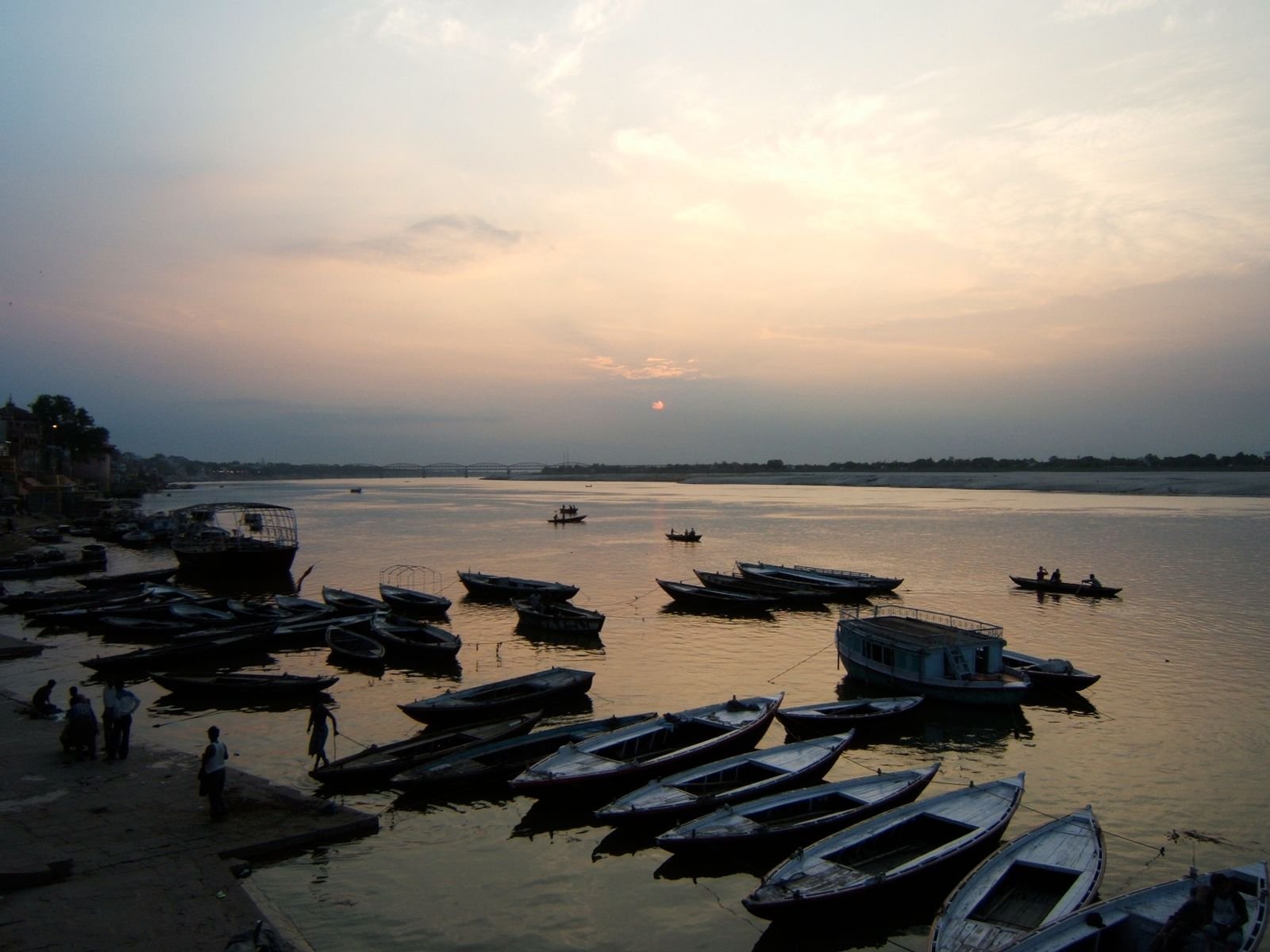
Dawn and morning ragas are usually described as serious, devotional and calm. Bhairav is the classic early morning raga, known for its komal (flat) Re and Dha and a slow, grave mood. Ramkali is another dawn raga, closely related in feel. Todi is a rich and weighty raga that is normally sung in the morning, and Ahir Bhairav is gentler and more devotional. Varanasi, where many musicians still start the day with riyaz by the river, is a natural place to imagine them; see our Varanasi ghats guide for the setting.
Which ragas belong to the afternoon?
The afternoon has fewer ragas assigned to it than the evening. The raga most often named for midday is Sarang, with its Brindavani Sarang form widely played on the flute and sitar. Multani, with its tense, rising phrases, is commonly listed for the late afternoon, and Bhimpalasi is a tender raga of the hours before dusk. Chart makers differ on which of the last two comes first.
Which ragas are for the evening?
The evening is the busiest time for ragas. Puriya and Marwa are dusk ragas that hang on a restless, unresolved mood, and both play down the tonic Sa so that the music seems to hover. Yaman, which uses the sharp Ma (tivra Ma), is the first raga many students learn and is traditionally the opening raga of the early night. Kedar is another popular early night raga. For the instruments heard in these concerts, see our guides to the sitar, sarod and santoor and the bansuri flute.
Which ragas are sung at night?
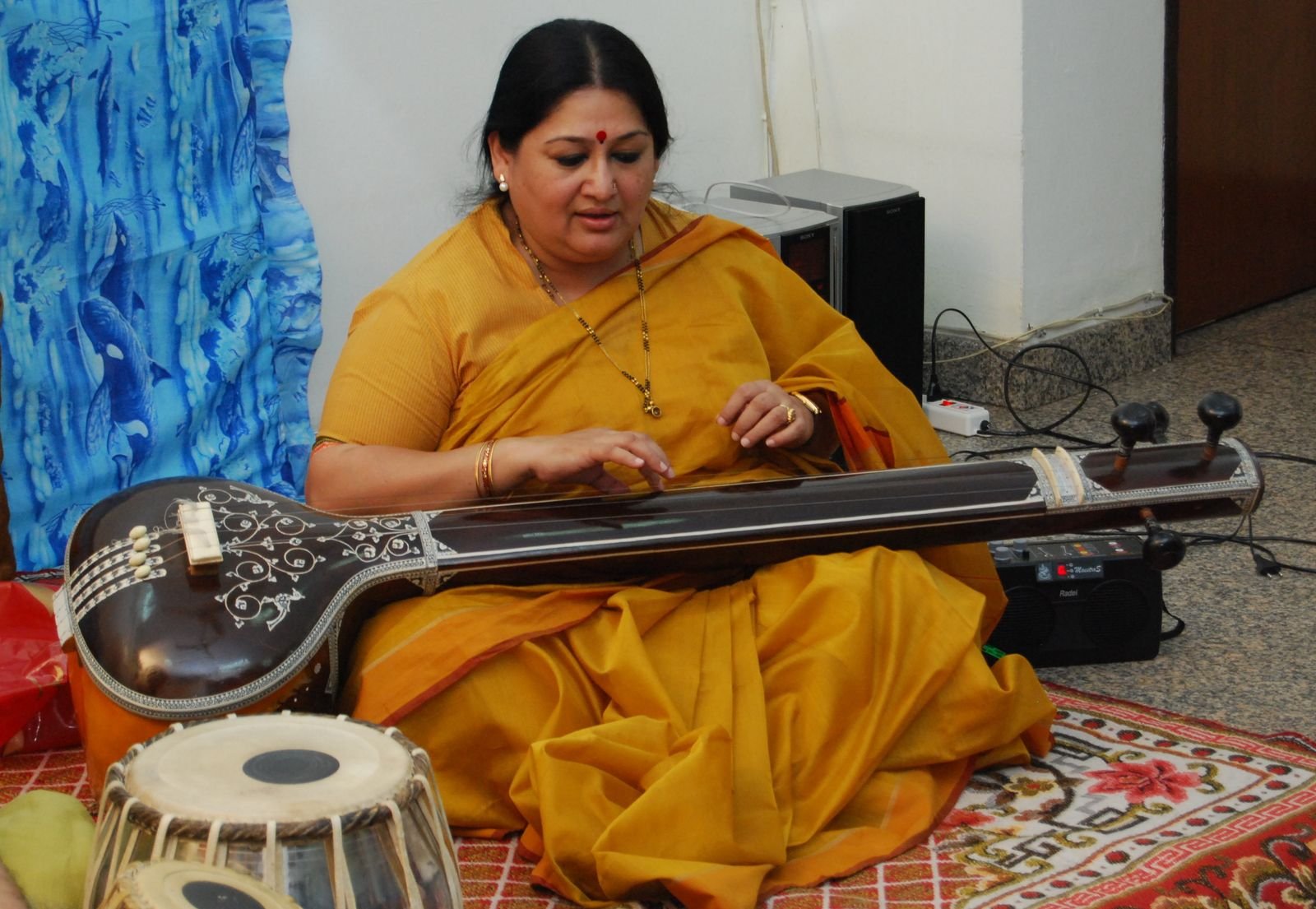
Night ragas are traditionally slow, deep and meditative. Bageshree is a loved late night raga of longing, Darbari Kanada is the grave, majestic raga associated with the Mughal court and traditionally attributed to Tansen, and Malkauns is a five-note raga of the small hours. Darbari and Malkauns use long, slow-moving phrases that suit the stillness of the late night.
Which ragas belong to particular seasons?
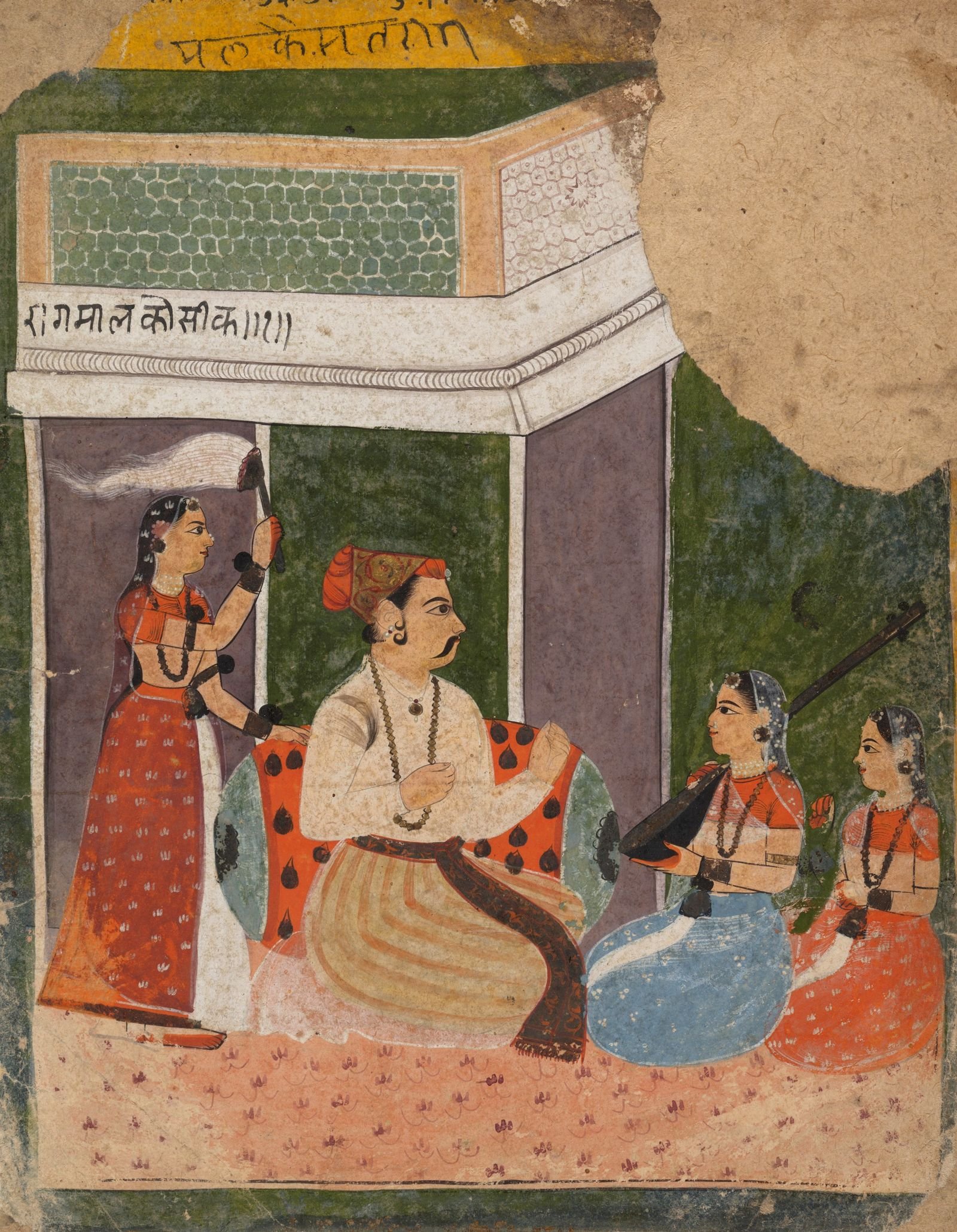
Some ragas are tied to the year rather than the clock. The Malhar family, including Miyan ki Malhar, Megh and Gaud Malhar, is associated with the monsoon, and musicians have long used it to call up the sound of rain and thunder. Basant is the raga of spring, associated with Vasant Panchami and Holi. Hindol is another raga linked to spring in older sources. Medieval theorists such as Nanyadeva (11th century) are reported to have assigned ragas to seasons, so this idea is older than the modern time chart.
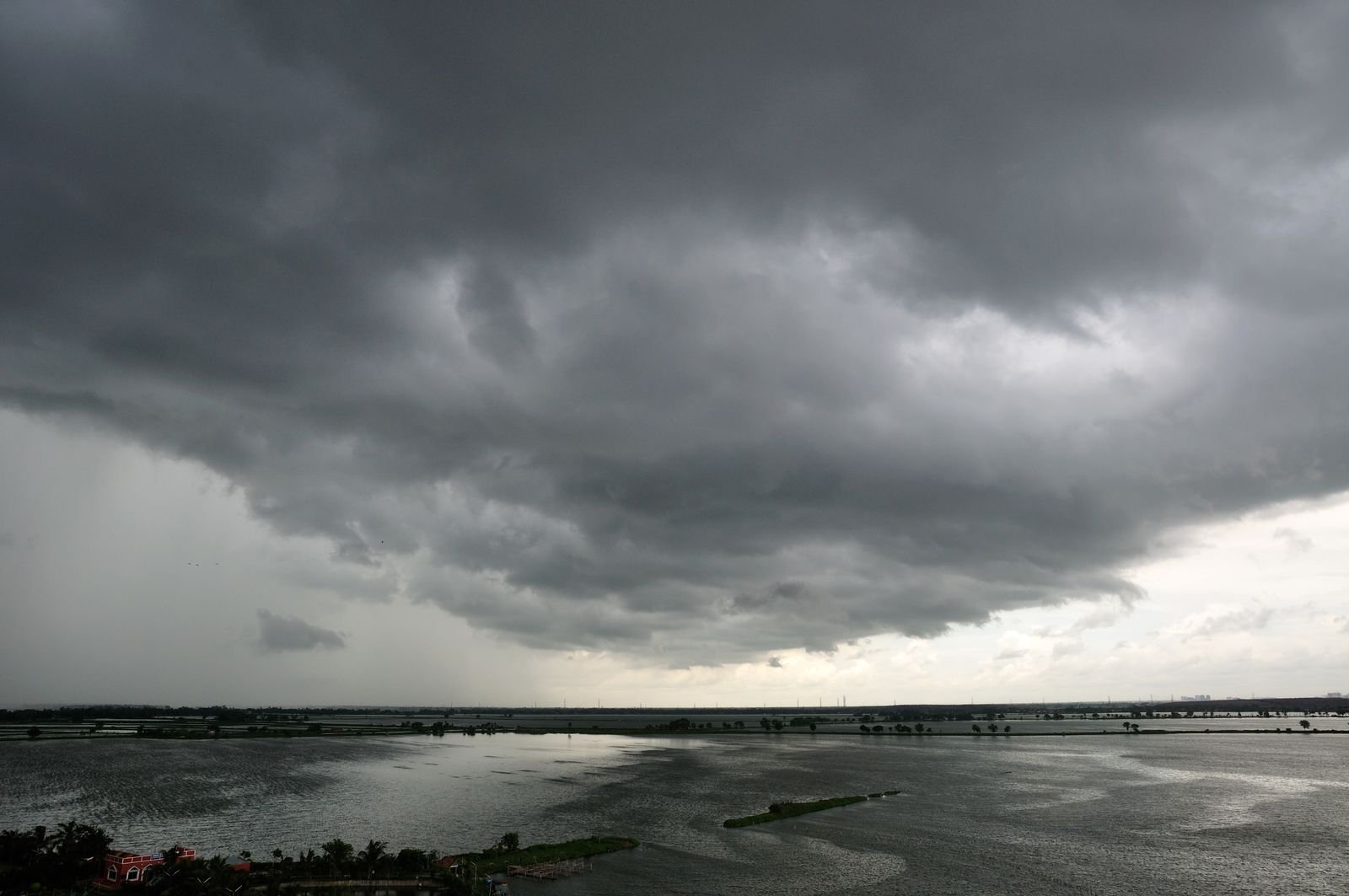
Stories say the 16th-century court musician Tansen could light lamps by singing Deepak and bring rain with Megh Malhar. These are legends told with affection, not documented events, but they show how deeply raga, weather and emotion were joined in the imagination. For the emotional palette behind this, read about the Navarasa, the nine rasas.
Why does tradition link ragas to time?
The honest answer is that it is a tradition, and no acoustic experiment has shown that a note sounds different at dawn. Teachers explain it in terms of mood and the body: people are thought to feel differently as the day moves, so music that fits those states is said to be most effective.
Historical writers do mention the idea. The 13th-century theorist Sarngadeva is reported to have linked certain kinds of raga to the day and night, which means the concept has been discussed for at least seven centuries. The modern, systematic version is closely tied to the 20th-century classification of V. N. Bhatkhande. Treat the whole scheme as a cultural framework with an old pedigree, rather than as science.
What are sandhi prakash ragas?
Sandhi prakash means roughly the light of the junction. These are the ragas of the two twilight periods, dawn and dusk, when day and night meet. In the usual teaching, they share a particular note pattern: a komal Re together with a shuddh (natural) Ga. Bhairav, Ramkali, Puriya and Marwa are typical examples. Within this group, a natural Ma points to a dawn raga and a sharp Ma to a dusk raga.
What are vadi and samvadi, and how do they affect timing?
The vadi is the most emphasised note of a raga, like a king, and the samvadi is its main supporting note. One teaching rule links them to the time. The octave is split into a lower half (purvanga, Sa to Pa) and an upper half (uttaranga, Ma to upper Sa). Ragas whose vadi lies in the lower half are said to suit noon to midnight, and those with the vadi in the upper half are said to suit midnight to noon. Yaman, with its vadi on Ga in the lower half, fits the evening, and Bhairav, with its vadi on Dha in the upper half, fits the morning. Exceptions exist, so this is a guideline.
Another rule of thumb: sharp Ma ragas tend to be evening ragas and natural Ma ragas tend to be morning ragas. Ragas using komal Ga and komal Ni generally fall into the later slots of the day and night.
How do performers treat raga timing today?
Practice varies. Many senior musicians still try to match the raga to the hour, and some broadcasters and festivals schedule dawn and late night programmes to honour the idea. Even so, most concerts are held in the evening, so musicians mostly choose evening and night ragas. Recordings and streaming have loosened the link further: a listener can hear Bhairav at midnight, and a studio album can pair any raga with any hour.
Some artists keep the convention strictly, others treat it as flexible, and a few argue that mood matters more than the clock. A practical approach for a beginner is to learn the pairings as part of the grammar, listen at the matching hour at least once, and then decide what the idea means for you. Time also interacts with rhythm; for that, see our guide to Teentaal.
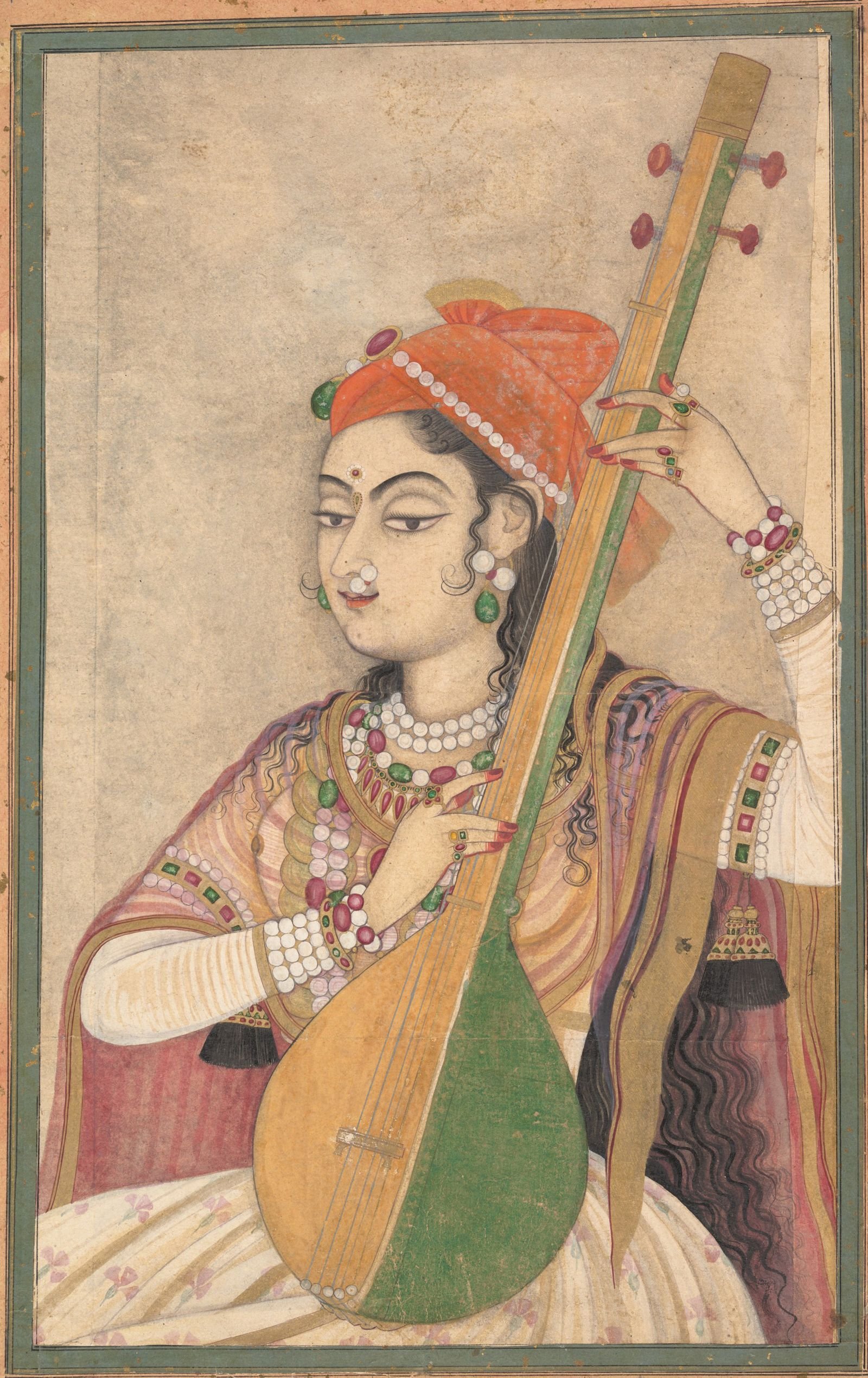
Watch and listen: a time-of-day listening list
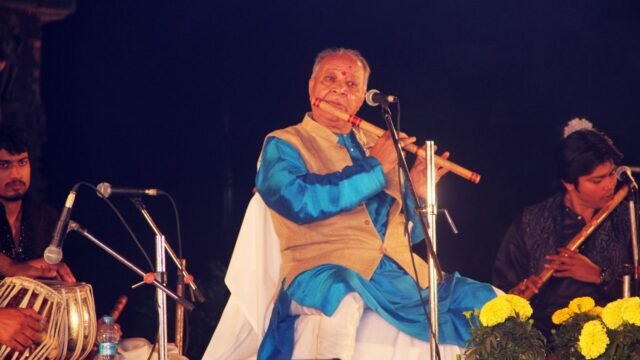
Here are three recordings, one for each part of the day: Bhairav on the sitar by Shahid Parvez (Music Today), Yaman on the bansuri by Hariprasad Chaurasia (Saregama) and Malkauns on the bansuri by Chaurasia (Music Today). Try each at its matching hour.
Other well-known artists to explore are listed in our guide to famous Indian classical musicians, and each has recordings of ragas at their proper hours.
How can a beginner start listening by the clock?
- Morning. Try Bhairav or Ahir Bhairav before breakfast. Notice the slow pace and the serious mood.
- Afternoon. Listen to Sarang or Bhimpalasi. These sound light and relaxed.
- Evening. Put on Yaman after sunset, then Puriya or Marwa at dusk to hear how restless they are.
- Night. End the day with Bageshree, Darbari or Malkauns, and listen with the lights low.
- Rainy day. Play any Malhar. Use the weather, not the clock, as your guide.
Sources used for this article: general reference overviews of raga and time theory, including the Wikipedia article on Raga for the historical points on Nanyadeva and Sarngadeva, and music-education pages that describe the prahara scheme, sandhi prakash and the vadi rule. Where such sources disagree on the exact hour of a raga, the article says so and gives approximate slots. Photographs and paintings are used under Creative Commons or public domain terms with credit shown beneath each image.
Frequently asked questions
-
What is the time theory of ragas?
It is the tradition in Hindustani music of assigning each raga to a time of day or a season, so that the music matches the mood of that hour. It is a cultural convention, not a scientific rule.
-
What are the eight praharas in music?
The day is divided into eight watches of about three hours each, four for the day and four for the night, and each has its own group of ragas.
-
Which raga is sung in the morning?
Bhairav, Ramkali, Todi and Ahir Bhairav are commonly listed as morning ragas, though exact hours vary by source.
-
Which ragas are for the evening and night?
Puriya, Marwa and Yaman are evening ragas. Bageshree, Darbari Kanada and Malkauns are usually named for the late night.
-
What are sandhi prakash ragas?
They are ragas of the twilight junctions of dawn and dusk, such as Bhairav, Ramkali, Puriya and Marwa, usually with a komal Re and a natural Ga.
-
Which ragas are linked to seasons?
The Malhar family, such as Miyan ki Malhar and Megh, is linked to the monsoon, and Basant is linked to spring.
-
Do musicians still follow the time of a raga?
Many senior musicians still try to, but concerts, festivals and recordings often ignore the hour, so practice varies by artist.