
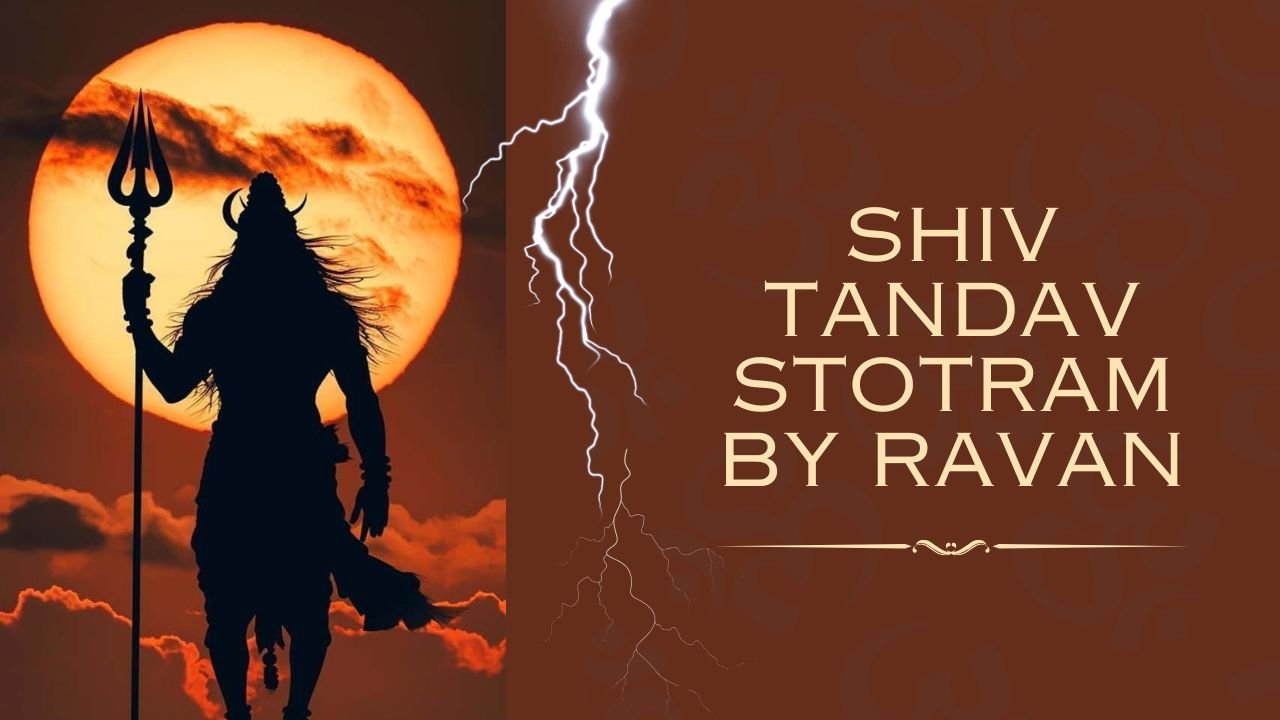
The Shiv Tandav Stotram is a Sanskrit hymn to Lord Shiva’s cosmic dance, traditionally attributed to Ravana. This page gives the complete text, the story behind it, its structure and metre, and when devotees recite it.
The Shiv Tandav Stotram is one of the most powerful and electrifying hymns in Hinduism, dedicated to Lord Shiva — the destroyer and transformer among the Holy Trinity. Traditionally attributed to Ravana, the great devotee and king of Lanka, the stotra (hymn) captures the fierce beauty, rhythmic energy and divine glory of Shiva’s Tandava dance. Its closing verse calls it dashavaktra-gitam, “sung by the ten-headed one”.
What Is the Story Behind the Shiv Tandav Stotram?
According to tradition, Ravana once tried to lift Mount Kailash, the abode of Lord Shiva, to show his power. Shiva pressed the mountain down with his toe, trapping Ravana beneath it. The Uttara Kanda of the Valmiki Ramayana relates that Ravana cried out so loudly that Shiva named him Ravana — “the one who roars” — and that Ravana then praised Shiva until he was released. Devotional tradition holds that this hymn is the song he sang.
Pleased by his devotion, Shiva forgave him and granted him blessings. The composition is celebrated for its poetic brilliance and intense devotion to Lord Shiva.
What Is the Structure of the Shiv Tandav Stotram?
The hymn is composed in the panchachamara metre — lines of sixteen syllables alternating short and long — which gives it its fast, driving rhythm, like the beat of Shiva’s damaru. The version below has 16 verses in this metre followed by a closing verse (phalashruti) in a different metre. Editions vary slightly, and some omit verses 14 and 15. The hymn describes:
- Lord Shiva’s majestic form, adorned with serpents
- The crescent moon resting on his matted hair
- The Ganga flowing through his locks
- The sounding damaru and his ecstatic dance
- The fire of his third eye, which burned Kama, the god of desire
Watch the Shiv Tandav Stotram Video
Why Do Devotees Chant the Shiv Tandav Stotram?
Devotees describe these benefits from regular recitation. They come from devotional tradition and personal experience, not scientific study:
- Spiritual awakening: Devotees find it lifts the mind towards devotion and contemplation.
- Inner strength: Its energy is felt to bring courage and fearlessness.
- Freedom from negativity: Devotees believe regular recitation dispels negative thoughts and fear.
- Shiva’s blessings: Recited in hope of Shiva’s grace and protection.
- Focus: Its demanding rhythm requires full attention, which many find steadying.
Why Listen to the Shiv Tandav Stotram During Shravan?

The month of Shravan (Sawan) is especially dear to Lord Shiva. Devotees fast, perform Rudrabhishek and chant mantras throughout the month, and many recite or listen to the Shiv Tandav Stotram daily, especially on the Mondays of Shravan, to deepen their devotion.
Watch the Shiv Tandav Stotram Video
We at BhaktiMeShakti have created a video version of the Shiv Tandav Stotram with devotional visuals to help you follow the verses and meditate on Lord Shiva.
What Are the Lyrics of the Shiv Tandav Stotram?
जटाटवीगलज्जलप्रवाहपावितस्थले
गलेऽवलम्ब्य लम्बितां भुजङ्गतुङ्गमालिकाम् ।
डमड्डमड्डमड्डमन्निनादवड्डमर्वयं
चकार चण्डताण्डवं तनोतु नः शिवः शिवम् ॥1॥
जटाकटाहसम्भ्रमभ्रमन्निलिम्पनिर्झरी
विलोलवीचिवल्लरीविराजमानमूर्धनि ।
धगद्धगद्धगज्ज्वलल्ललाटपट्टपावके
किशोरचन्द्रशेखरे रतिः प्रतिक्षणं मम ॥2॥
धराधरेन्द्रनंदिनीविलासबन्धुबन्धुर
स्फुरद्दिगन्तसन्ततिप्रमोदमानमानसे ।
कृपाकटाक्षधोरणीनिरुद्धदुर्धरापदि
क्वचिद्दिगम्बरे(क्वचिच्चिदम्बरे) मनो विनोदमेतु वस्तुनि ॥3॥
जटाभुजङ्गपिङ्गलस्फुरत्फणामणिप्रभा
कदम्बकुङ्कुमद्रवप्रलिप्तदिग्वधूमुखे ।
मदान्धसिन्धुरस्फुरत्त्वगुत्तरीयमेदुरे
मनो विनोदमद्भुतं बिभर्तु भूतभर्तरि ॥4॥
सहस्रलोचनप्रभृत्यशेषलेखशेखर
प्रसूनधूलिधोरणी विधूसराङ्घ्रिपीठभूः ।
भुजङ्गराजमालया निबद्धजाटजूटक
श्रियै चिराय जायतां चकोरबन्धुशेखरः ॥5॥
ललाटचत्वरज्वलद्धनञ्जयस्फुलिङ्गभा
निपीतपञ्चसायकं नमन्निलिम्पनायकम् ।
सुधामयूखलेखया विराजमानशेखरं
महाकपालिसम्पदेशिरोजटालमस्तु नः ॥6॥
करालभालपट्टिकाधगद्धगद्धगज्ज्वल
द्धनञ्जयाहुतीकृतप्रचण्डपञ्चसायके ।
धराधरेन्द्रनन्दिनीकुचाग्रचित्रपत्रक
प्रकल्पनैकशिल्पिनि त्रिलोचने रतिर्मम ॥7॥
नवीनमेघमण्डली निरुद्धदुर्धरस्फुरत्
कुहूनिशीथिनीतमः प्रबन्धबद्धकन्धरः ।
निलिम्पनिर्झरीधरस्तनोतु कृत्तिसिन्धुरः
कलानिधानबन्धुरः श्रियं जगद्धुरंधरः ॥8॥
प्रफुल्लनीलपङ्कजप्रपञ्चकालिमप्रभा
वलम्बिकण्ठकन्दलीरुचिप्रबद्धकन्धरम् ।
स्मरच्छिदं पुरच्छिदं भवच्छिदं मखच्छिदं
गजच्छिदांधकच्छिदं तमन्तकच्छिदं भजे ॥9॥
अगर्व सर्वमङ्गलाकलाकदम्बमञ्जरी
रसप्रवाहमाधुरी विजृम्भणामधुव्रतम् ।
स्मरान्तकं पुरान्तकं भवान्तकं मखान्तकं
गजान्तकान्धकान्तकं तमन्तकान्तकं भजे ॥10॥
जयत्वदभ्रविभ्रमभ्रमद्भुजङ्गमश्वस
द्विनिर्गमत्क्रमस्फुरत्करालभालहव्यवाट् ।
धिमिद्धिमिद्धिमिध्वनन्मृदङ्गतुङ्गमङ्गल
ध्वनिक्रमप्रवर्तित प्रचण्डताण्डवः शिवः ॥11॥
दृषद्विचित्रतल्पयोर्भुजङ्गमौक्तिकस्रजोर्
गरिष्ठरत्नलोष्ठयोः सुहृद्विपक्षपक्षयोः ।
तृणारविन्दचक्षुषोः प्रजामहीमहेन्द्रयोः
समप्रवृत्तिकः कदा सदाशिवं भजाम्यहम् ॥12॥
कदा निलिम्पनिर्झरीनिकुञ्जकोटरे वसन्
विमुक्तदुर्मतिः सदा शिरः स्थमञ्जलिं वहन् ।
विमुक्तलोललोचनो ललामभाललग्नकः
शिवेति मंत्रमुच्चरन् कदा सुखी भवाम्यहम् ॥13॥
निलिम्प नाथनागरी कदम्ब मौलमल्लिका-
निगुम्फनिर्भक्षरन्म धूष्णिकामनोहरः ।
तनोतु नो मनोमुदं विनोदिनींमहनिशं
परिश्रय परं पदं तदङ्गजत्विषां चयः ॥14॥
प्रचण्ड वाडवानल प्रभाशुभप्रचारणी
महाष्टसिद्धिकामिनी जनावहूत जल्पना ।
विमुक्त वाम लोचनो विवाहकालिकध्वनिः
शिवेति मन्त्रभूषगो जगज्जयाय जायताम् ॥15॥
इमं हि नित्यमेवमुक्तमुत्तमोत्तमं स्तवं
पठन्स्मरन्ब्रुवन्नरो विशुद्धिमेतिसंततम् ।
हरे गुरौ सुभक्तिमाशु याति नान्यथा गतिं
विमोहनं हि देहिनां सुशङ्करस्य चिंतनम् ॥16॥
पूजावसानसमये दशवक्त्रगीतं
यः शम्भुपूजनपरं पठति प्रदोषे ।
तस्य स्थिरां रथगजेन्द्रतुरङ्गयुक्तां
लक्ष्मीं सदैव सुमुखिं प्रददाति शम्भुः ॥17॥
इति श्रीरावण कृतम्
शिव ताण्डव स्तोत्र सम्पूर्णम्
ॐ नमः शिवाय, ॐ नमः शिवाय, ॐ नमः शिवाय
Why Is Rhythm So Important in the Shiv Tandav Stotram?
The Shiv Tandav Stotram stands out for its fast, driving rhythm, produced by the panchachamara metre and by long chains of alliterative compound words — damad damad damad, dhagad dhagad, dhimid dhimid. The sound of the verse itself imitates the drum and fire of Shiva’s dance, which makes it quite unlike slower devotional chants.
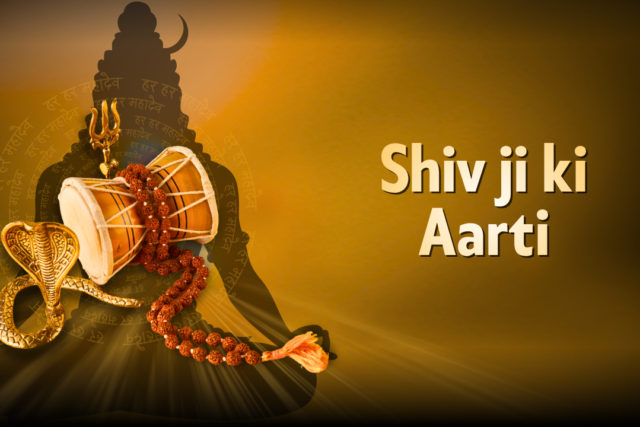
Many devotees find that keeping pace with this rhythm demands full attention, which brings the mind to a focused, meditative state. Recited regularly, it becomes both a devotional offering and a discipline of concentration. For other ways to worship Shiva, see Shiv Ji Ki Aarti and our guide to Maha Shivratri.
Frequently Asked Questions on the Shiv Tandav Stotram
What is the Shiv Tandav Stotram?
The Shiv Tandav Stotram is a Sanskrit hymn to Lord Shiva describing his fierce cosmic dance, the Tandava, traditionally attributed to Ravana, king of Lanka. It is composed in the fast-paced panchachamara metre, whose driving rhythm mirrors the dance itself, and closes with a verse describing the fruits of reciting it.
Who wrote the Shiv Tandav Stotram?
The Shiv Tandav Stotram is traditionally attributed to Ravana, the king of Lanka in the Ramayana, who in legend was a great devotee of Shiva. Its closing verse calls it dashavaktra-gitam, sung by the ten-headed one, and its colophon reads iti shri Ravana kritam; the exact date of its composition is uncertain.
What is the story behind the Shiv Tandav Stotram?
According to tradition, Ravana tried to lift Mount Kailash, Shiva’s abode, and Shiva pressed it down with his toe, trapping Ravana beneath it. The Uttara Kanda of the Valmiki Ramayana relates that Shiva named him Ravana, the one who roars, from his cry, and devotional tradition holds that he then sang this hymn.
How many verses does the Shiv Tandav Stotram have?
The Shiv Tandav Stotram is usually printed with 16 or 17 verses: stanzas in the panchachamara metre praising Shiva’s form and dance, followed by a closing phalashruti verse in a different metre. Editions vary slightly, and some omit two of the middle verses, so verse counts differ between books and recordings.
What is the Tandava dance of Shiva?
Tandava is Shiva’s vigorous cosmic dance, which in Hindu thought expresses the cycle of creation, preservation and dissolution of the universe. Shiva performs it as Nataraja, lord of dance, and its gentle counterpart, danced by Parvati, is called Lasya.
What does the first verse of the Shiv Tandav Stotram mean?
The first verse describes Shiva dancing the fierce Tandava, his matted hair sanctifying the ground with the flowing Ganga, a great serpent hanging like a garland at his neck, and his damaru drum sounding damad damad, and closes with the prayer tanotu nah shivah shivam: may that Shiva grant us auspiciousness.
When should the Shiv Tandav Stotram be recited?
Devotees traditionally recite the Shiv Tandav Stotram on Mondays, through the month of Shravan, on Maha Shivratri, and at Pradosh, the twilight worship of Shiva on the thirteenth lunar day. Its own closing verse names the end of Shiva’s worship at Pradosh as the time to recite it.
What are the benefits of chanting the Shiv Tandav Stotram?
Devotees traditionally recite the Shiv Tandav Stotram for courage, focus and Shiva’s protection, and its closing verse promises lasting prosperity to one who recites it after Shiva’s worship at Pradosh. These are devotional beliefs; many find its rhythm energising, but it is not a substitute for medical or psychological care.
Is the Shiv Tandav Stotram difficult to recite?
The Shiv Tandav Stotram is considered one of the harder Sanskrit hymns to recite because of its long compound words and fast panchachamara rhythm. Beginners usually learn it verse by verse, following a recording and the Devanagari text, and tradition values sincere devotion above perfect pronunciation.
Can anyone recite the Shiv Tandav Stotram?
Yes. The Shiv Tandav Stotram can be recited by anyone, without initiation, at home or in a temple. Many devotees chant it before a Shivling after offering water or bel leaves, and listening attentively to a recitation is also regarded as a devotional practice.