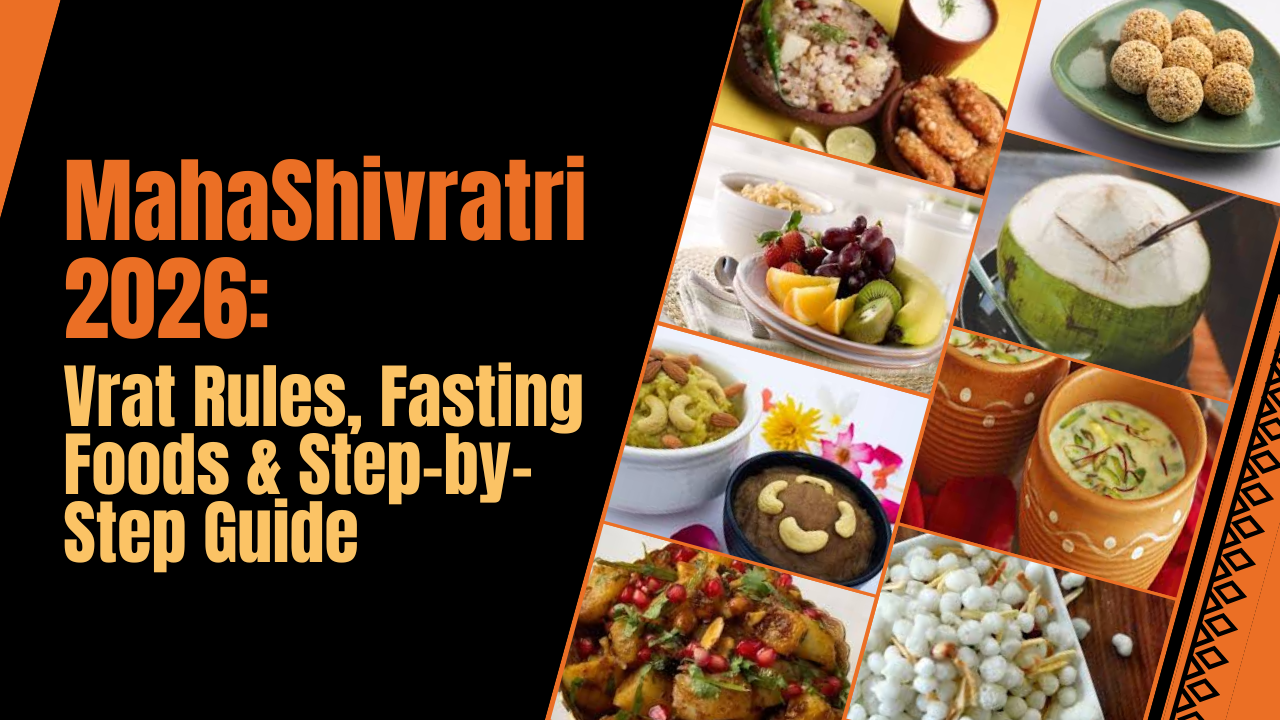
Maha Shivratri 2026 is a sacred night of devotion to Lord Shiva. This blog covers fasting rules, allowed foods, and a step-by-step vrat guide to observe the fast with purity and faith.
Maha Shivratri is one of the most sacred nights in Sanatan Dharma, dedicated to Lord Shiva, the symbol of transformation, consciousness, and divine stillness. In 2026, Maha Shivratri will be observed with deep devotion by millions of devotees who follow traditional fasting for mahashivratri as a spiritual discipline rather than just a ritual.
Observing a vrat on this auspicious night is believed to purify the mind, body, and soul. This guide explains everything you need to know about fasting for Mahashivratri, including vrat significance, traditional practices, permitted foods, and a step-by-step approach that beginners can easily follow.
Spiritual Significance of Fasting on Maha Shivratri
The act of fasting for Mahashivratri is deeply symbolic. It represents control over physical desires and awakening of inner consciousness. Lord Shiva is considered Adiyogi, and fasting helps devotees align with yogic discipline and inner stillness.
According to ancient scriptures, devotees who sincerely observe vrat on Maha Shivratri receive divine grace, mental clarity, and freedom from negative karmic cycles. This is why fasting for Mahashivratri is practiced not out of compulsion, but as a voluntary spiritual offering.
Why Devotees Observe Fasting for Mahashivratri
There are several spiritual reasons behind fasting for Mahashivratri:
- To practice self-discipline and restraint
- To purify thoughts and emotions
- To enhance focus during Shiva worship
- To stay awake and spiritually alert throughout the night
- To surrender ego and desires at Lord Shiva’s feet
Unlike other fasts, fasting for Maha Shivratri emphasises awareness and meditation more than physical austerity.
Maha Shivratri Fasting Rules Explained Clearly
Following proper Mahashivratri fasting rules ensures that the vrat remains spiritually meaningful. These rules may vary slightly by region, but the core principles remain the same.
Key Mahashivratri Fasting Rules
- Devotees should wake up early and maintain purity
- Consumption of grains and regular salt is avoided
- Only vrat-approved foods are allowed
- Mind and speech should remain calm and positive
- Worship of Lord Shiva is done throughout the day and night
Strict adherence to Mahashivratri fasting rules is believed to amplify the spiritual benefits of the vrat.
Types of Fasting for Mahashivratri
Not all devotees follow the same level of austerity. Fasting for Mahashivratri can be observed in different forms based on physical ability and personal faith.
1. Nirjala Vrat
This is the most rigorous form, where devotees consume no food or water.
2. Phalahar Vrat
Devotees consume fruits, milk, and nuts while observing fasting for Mahashivaratri.
3. Partial Fast
Some devotees eat once a day using vrat-approved foods.
All forms are acceptable if done with sincerity and respect for maha shivratri fasting rules.
Step-by-Step Guide for Fasting for Maha shivratri
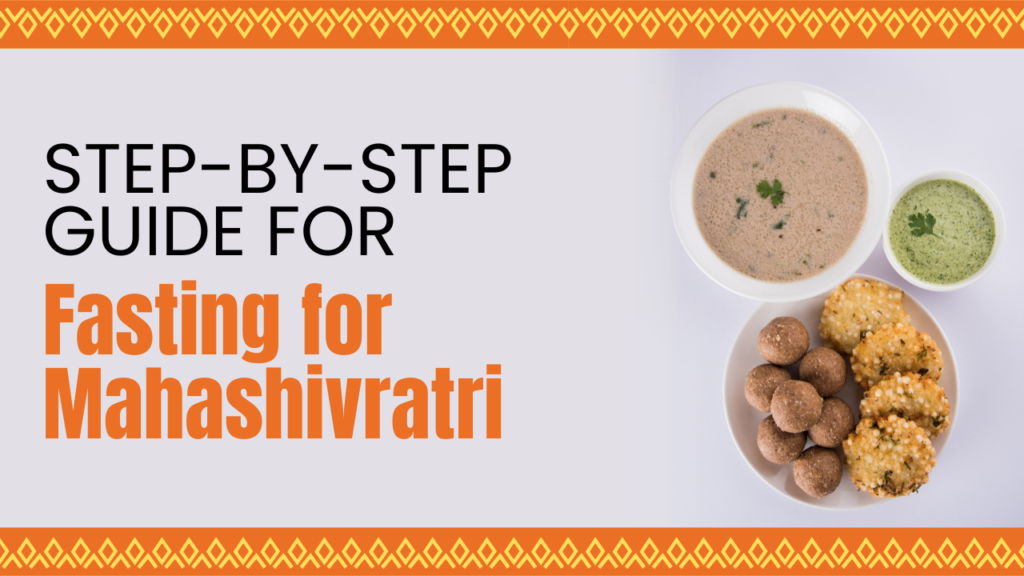
This section explains fasting for Mahashivratri in a simple step-by-step manner, ideal for first-time devotees.
Step 1: Preparation Before the Vrat
The night before Maha Shivratri, eat light and satvik food. Avoid heavy or tamasic items to prepare the body for fasting for Maha shivratri.
Step 2: Early Morning Rituals
Begin the day with a bath and mental purification. Take a sankalp (vow) to follow Maha shivratri fasting rules with devotion.
Step 3: Observing the Fast During the Day
During the day, maintain silence as much as possible, consume only vrat-allowed foods, and remain mindful of fasting for Mahashivratri as a spiritual practice.
Step 4: Night Vigil and Worship
Staying awake at night is an essential part of fasting for Mahashivratri. Devotees chant Shiva mantras and meditate.
Step 5: Completion of the Fast
The fast is traditionally completed the next morning after offering prayers and gratitude, following the maha shivratri fasting rules.
Allowed Foods During Fasting for Maha shivratri
Choosing the right food is an important aspect of fasting for Mahashivratri. Only satvik and vrat-friendly items are consumed.
Vrat-Approved Foods
- Fruits and fruit juices
- Milk, curd, and buttermilk
- Dry fruits and nuts
- Sabudana (tapioca)
- Kuttu (buckwheat) flour
- Singhara (water chestnut) flour
These foods help maintain energy while honoring maha shivratri fasting rules.
Foods to Avoid During Mahashivratri Vrat
To maintain the sanctity of fasting for Mahashivratri, devotees strictly avoid:
- Rice and wheat
- Pulses and lentils
- Onion and garlic
- Regular salt
- Alcohol and stimulants
Avoiding these foods is a key part of maha shivratri fasting rules followed across traditions.
Common Mistakes to Avoid While Fasting
Even with devotion, mistakes can happen during fasting for Mahashivratri. Some common ones include:
- Overeating vrat food
- Treating the fast as a diet plan
- Neglecting worship while fasting
- Ignoring health limitations
True fasting for Mahashivratri balances physical care and spiritual intent, as emphasized in the Mahashivratri fasting rules.
Health Benefits of Fasting for Mahashivratri
Beyond spirituality, fasting for Mahashivratri offers physical and mental benefits:
- Improves digestion
- Helps detoxify the body
- Enhances mental clarity
- Reduces stress and emotional clutter
When followed correctly, Maha shivratri fasting rules support both spiritual and physical well-being.
Spiritual Benefits of Observing Mahashivratri Vrat
Devotees believe that fasting for Mahashivratri:
- Strengthens devotion to Lord Shiva
- Helps release negative karmas
- Encourages self-control and patience
- Deepens meditation and awareness
These outcomes reflect the deeper essence of Maha shivratri fasting rules, which focus on inner transformation.
Who Should Avoid Strict Fasting
While fasting for Maha shivratri is highly auspicious, it should be adjusted for:
- Elderly devotees
- Pregnant women
- People with medical conditions
Following modified Mahashivratri fasting rules ensures devotion without harming health.
Final Thoughts
Maha Shivratri 2026 is not just a festival; it is an opportunity for spiritual awakening. Observing fasting for Mahashivratri with sincerity, discipline, and devotion helps devotees align with Lord Shiva’s infinite consciousness.
By understanding and following authentic Maha shivratri fasting rules, devotees can experience inner peace, clarity, and divine grace. Whether one follows a strict or simple vrat, the intention behind fasting for Mahashivratri matters the most.
May Lord Shiva bless all devotees with strength, wisdom, and liberation 🔱
Frequently Asked Questions on Maha Shivratri Fasting
Why is fasting for Mahashivratri considered important?
Fasting for Maha shivratri helps devotees purify the mind and body while focusing completely on Lord Shiva. It is believed to enhance spiritual awareness and inner discipline
What are the basic Maha shivratri fasting rules?
Maha shivratri fasting rules include avoiding grains, consuming only vrat-approved foods, maintaining purity, and dedicating the day and night to Shiva worship.
Can beginners observe fasting for Mahashivratri?
Yes, beginners can observe fasting for Maha shivratri by choosing a simple phalahar vrat with fruits, milk, and light vrat foods.
What foods are allowed during fasting for Maha shivratri?
Allowed foods include fruits, milk, curd, nuts, sabudana, kuttu flour, and singhara flour, as per Mahashivratri fasting rules.
Is staying awake at night compulsory during the Mahashivratri fast?
Staying awake is traditionally encouraged during fasting for Maha shivratri, as night-long worship holds deep spiritual significance.
Can water be consumed during Maha Shivratri fasting?
Yes, unless observing nirjala vrat, devotees may drink water while following Mahashivratri fasting rules.
Who should avoid strict fasting for Maha Shivratri?
Elderly people, pregnant women, and those with health conditions should follow modified Mahashivratri fasting rules or avoid strict fasting.
Is it allowed to eat once during fasting for Maha Shivratri?
Yes, many devotees eat once using vrat-friendly foods while continuing fasting for Maha shivratri with devotion.
When should the Maha Shivratri fast be completed?
The fast is usually completed the next morning after morning prayers and offering gratitude to Lord Shiva.
Does fasting for Maha Shivratri have spiritual benefits?
Yes, fasting for Maha shivratri is believed to remove negative energies, increase devotion, and bring mental peace and spiritual clarity.