How evening yoga helps you sleep — the science of sleep and relaxation, the best bedtime poses with instructions, Yoga Nidra, a 15-minute routine, sleep hygiene tips, and when poor sleep needs a doctor.
A short, gentle yoga practice in the evening is one of the simplest ways to prepare body and mind for sleep. Slow stretches release physical tension, and calm breathing shifts the nervous system from alertness towards rest. Many people find that an evening routine helps them fall asleep more easily and sleep more deeply.
Key Takeaways
- Gentle evening yoga and slow breathing activate the body’s relaxation response.
- Restful poses and Yoga Nidra are especially helpful before bed.
- Persistent insomnia or loud snoring should be checked by a doctor.
My Sleep Game-Changer: Kyore Nutrition Melatonin Sleep Gummies
I’ve been through 6 months of tossing & turning … until I tried Kyore Nutrition Melatonin Sleep Gummies. Now I fall asleep in just 15–20 minutes. No more staring at the ceiling, no more restless nights.
What’s Inside & Why It Helps
- Restfull Sleep: Each gummy is packed with 7mg of Melatonin, a hormone that regulates your sleep-wake cycle, helping you fall asleep faster and stay asleep longer.
- Enhanced Sleep Quality: L-Theanine, a natural amino acid, promotes relaxation without causing drowsiness, ensuring a peaceful night’s rest without any grogginess upon waking.
- 3. Wake Up Fresh: With all natural ingredients, Kyore Nutritions Melatonin Gummies enhances your sleep quality and helps to control your sleep wake cycle.


4. Stress Relief: an adaptogenic herb, works wonders in reducing stress and anxiety, allowing your body and mind to relax before bedtime.
5. Best Price: 30 gummies at just Rs. 399/-

6. 4.5 Star Ratings by more than 550 people
🚀 Try It Yourself
If you’re in the same boat — tired, stressed, unable to sleep — this might be the helping hand you need.
Disclaimer:
This review is purely based on my personal experience with the product. I am not making any medical claims, and results may vary for different individuals. Please consult a qualified healthcare professional before starting any new supplement.
How Does Yoga Affect Sleep?
Sleep moves through repeating cycles of about 90 minutes. Each cycle includes non-REM sleep — from light sleep to deep sleep, when the body does much of its physical repair — and REM sleep, when most dreaming occurs and which supports memory and mood.
Stress keeps the body in “fight or flight” mode, making it harder to fall and stay asleep. Slow stretching and breathing activate the opposite, parasympathetic “rest and digest” system, slowing the heart rate and quieting the mind. Several studies, including trials in older adults and people with insomnia, have reported better sleep quality with regular yoga, though more research is needed.
What Are the Best Yoga Poses for Sleep?
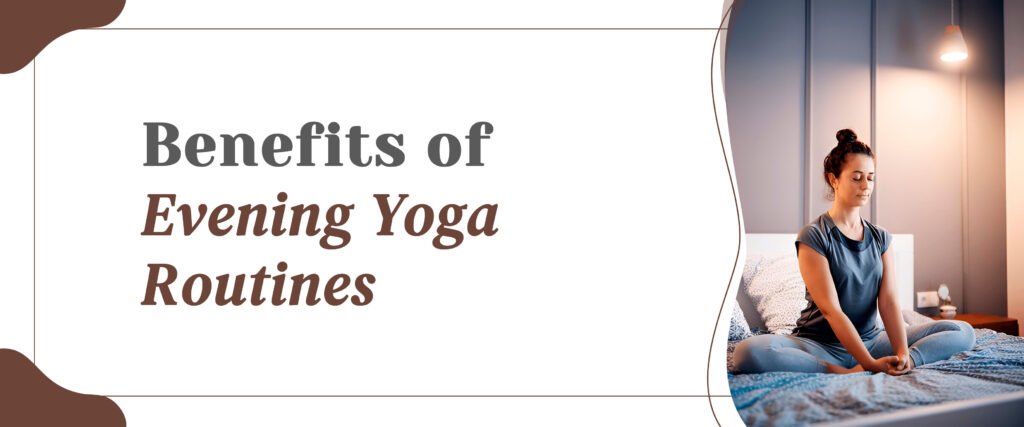
Choose slow, restful poses in the evening, and avoid vigorous or energising practices such as fast flows, strong backbends, Kapalabhati or Bhastrika close to bedtime.
Child’s Pose (Balasana)
Kneel, sit back towards your heels and fold forward, resting the forehead on the mat or a pillow. Breathe slowly for one to three minutes. It gently stretches the back and has a deeply settling effect.
Seated Forward Bend (Paschimottanasana)
Sit with legs extended, and fold forward from the hips, letting the hands rest on the shins or feet. Keep the knees bent if the hamstrings are tight. Forward folds are traditionally considered calming. Skip this pose if you have a disc problem.
Supine Twist
Lie on your back with knees bent and let them fall slowly to one side, arms spread wide. Hold for five to ten breaths, then change sides. It releases the lower back after a day of sitting.
Happy Baby (Ananda Balasana)
Lie on your back, bend the knees towards the armpits and hold the outer edges of the feet, rocking gently from side to side. It releases the hips and lower back.
Reclining Bound Angle (Supta Baddha Konasana)
Lie back with the soles of the feet together and knees falling open, supported by cushions under the thighs. Rest the hands on the belly and breathe slowly.
Legs-Up-the-Wall (Viparita Karani)
Lie on your back with your legs resting up a wall — or on the headboard, in bed. Stay for three to five minutes. Many people find it one of the most relaxing poses of all.
Corpse Pose (Savasana)
Lie on your back, arms by your sides, palms up. Let the whole body grow heavy and breathe naturally for five minutes or more.
Which Breathing Practices Help You Sleep?
- Slow exhale breathing: breathe in for four counts and out for six to eight.
- 4-7-8 breathing: in for four, hold for seven, out for eight.
- Nadi Shodhana (alternate nostril breathing) and Bhramari (bee breath) — both gentle and calming.
For step-by-step instructions, see our pranayama guide, and for the cooling Sitali breath, yoga and breathwork for stress relief.
What Is Yoga Nidra?
Yoga Nidra — “yogic sleep” — is a guided relaxation practised lying down, in which a teacher’s voice leads you through a body scan, breath awareness and visualisation, towards a state between waking and sleep. Its modern form was developed by Swami Satyananda Saraswati of the Bihar School of Yoga in the 1960s. Many people use a Yoga Nidra recording at bedtime or when they wake during the night.
What Is a Simple 15-Minute Bedtime Routine?
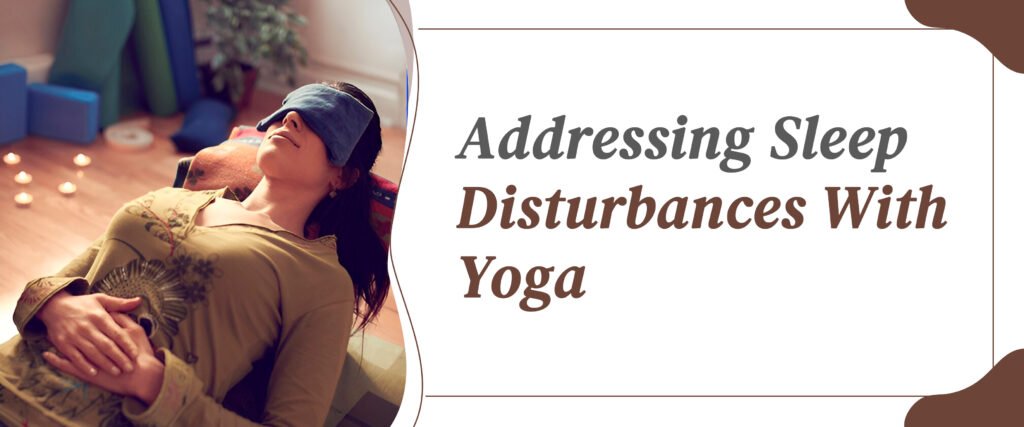
- Child’s Pose — 2 minutes
- Seated Forward Bend — 2 minutes
- Supine Twist — 1 minute each side
- Happy Baby — 1 minute
- Legs-Up-the-Wall — 3 minutes, with slow exhale breathing
- Savasana or a short Yoga Nidra — 5 minutes
Practise 30–60 minutes before bed, in dim light, at about the same time each night. For a deeper calm, add a few minutes of meditation; see the power of meditation.
Can Yoga Help With Restless Legs?
Some people with restless legs find that gentle leg stretches in the evening — such as Reclining Hand-to-Big-Toe Pose with a strap, or Legs-Up-the-Wall — ease discomfort. Restless legs syndrome can be linked to iron deficiency, kidney problems, pregnancy or certain medicines, so it is worth seeing a doctor if it troubles you regularly.
How Do You Create a Good Sleep Environment?
- Keep a regular schedule: go to bed and wake at the same times, including weekends.
- Limit screens for an hour before bed; bright light can delay the release of melatonin.
- Avoid caffeine after early afternoon, and heavy meals and alcohol close to bedtime.
- Keep the room dark, quiet and cool, with a comfortable mattress and pillow.
- Keep it calm: an uncluttered room, soft light and a gentle scent such as lavender help many people relax.
When Should You See a Doctor About Sleep?
See a doctor if you have trouble sleeping at least three nights a week for more than three months, if poor sleep is affecting your daytime life, or if you snore loudly, gasp or stop breathing during sleep, or feel very sleepy during the day — possible signs of sleep apnoea. Yoga can support good sleep but is not a treatment for sleep disorders. Stress affecting sleep? See our 10 practical stress-management techniques.
My Sleep Game-Changer: Kyore Nutrition Melatonin Sleep Gummies
I’ve been through 6 months of tossing & turning … until I tried Kyore Nutrition Melatonin Sleep Gummies. Now I fall asleep in just 15–20 minutes. No more staring at the ceiling, no more restless nights.
What’s Inside & Why It Helps
- Restfull Sleep: Each gummy is packed with 7mg of Melatonin, a hormone that regulates your sleep-wake cycle, helping you fall asleep faster and stay asleep longer.
- Enhanced Sleep Quality: L-Theanine, a natural amino acid, promotes relaxation without causing drowsiness, ensuring a peaceful night’s rest without any grogginess upon waking.
- 3. Wake Up Fresh: With all natural ingredients, Kyore Nutritions Melatonin Gummies enhances your sleep quality and helps to control your sleep wake cycle.
4. Stress Relief: an adaptogenic herb, works wonders in reducing stress and anxiety, allowing your body and mind to relax before bedtime.
5. Best Price: 30 gummies at just Rs. 399/-
6. 4.5 Star Ratings by more than 550 people
🚀 Try It Yourself
If you’re in the same boat — tired, stressed, unable to sleep — this might be the helping hand you need.
Disclaimer:
This review is purely based on my personal experience with the product. I am not making any medical claims, and results may vary for different individuals. Please consult a qualified healthcare professional before starting any new supplement.
Frequently Asked Questions
-
What are the best yoga poses for sleep?
The best yoga poses for sleep are slow, restful ones: Child’s Pose, Seated Forward Bend, a supine twist, Happy Baby, Reclining Bound Angle, Legs-Up-the-Wall and Corpse Pose. Held for a few minutes each with slow breathing, they release tension and calm the nervous system before bed.
-
Can yoga help with insomnia?
Yoga can help many people with sleep problems by calming the nervous system and reducing the stress that keeps them awake, and several studies have reported better sleep quality with regular practice. Persistent insomnia, lasting more than three months, should still be discussed with a doctor, as it may need specific treatment.
-
What is Yoga Nidra?
Yoga Nidra, or yogic sleep, is a guided relaxation practised lying down, in which a teacher’s voice leads you through a body scan, breath awareness and visualisation towards a state between waking and sleep. Its modern form was developed by Swami Satyananda Saraswati of the Bihar School of Yoga in the 1960s.
-
What is a good 10-minute yoga routine before bed?
A good 10-minute bedtime yoga routine is two minutes of Child’s Pose, one minute of a supine twist on each side, three minutes of Legs-Up-the-Wall with slow breathing, and three minutes of Savasana. Practise it 30 to 60 minutes before bed in dim light.
-
When is the best time to do yoga for sleep?
The best time to do yoga for sleep is 30 to 60 minutes before bed, at about the same time each night, in a dim, quiet space. Avoid vigorous styles, strong backbends and energising breathing such as Kapalabhati close to bedtime, as they can make it harder to fall asleep.
-
Can I do yoga in bed?
Yes. Gentle poses such as a supine twist, Happy Baby, Reclining Bound Angle and Legs-Up-the-Wall against the headboard can be done in bed, followed by slow breathing or a Yoga Nidra recording as you settle into sleep.
-
Does bedtime yoga help with anxiety?
Bedtime yoga helps many people with anxiety by combining gentle stretches with slow breathing, which activates the body’s relaxation response and quiets racing thoughts. It supports but does not replace treatment for an anxiety disorder.
-
When should I see a doctor about poor sleep?
See a doctor if you have trouble sleeping at least three nights a week for more than three months, if tiredness affects your daily life, or if you snore loudly, gasp or stop breathing during sleep, which may indicate sleep apnoea. Restless legs that disturb sleep regularly are also worth checking.