

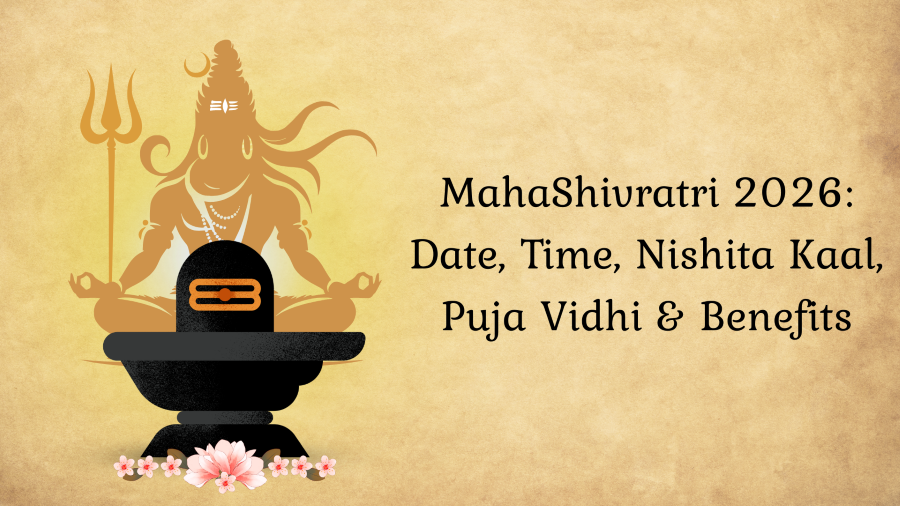
Celebrate the divine night of Maha Shivratri 2026 on 15 February! Discover the perfect time for worship, Nishita Kaal, Prahar timings, and step-by-step puja vidhi to connect with Lord Shiva’s blessings. Explore the spiritual meaning of Mahashivratri and unlock peace, devotion, and inner energy.
Maha Shivratri is one of the most sacred and spiritually powerful festivals dedicated to Lord Shiva, the supreme symbol of transformation, inner peace, and divine consciousness. Celebrated with deep devotion across India and the world, Maha Shivratri 2026 offers devotees a rare opportunity to connect with Shiva’s boundless energy.
Unlike most Hindu festivals that are celebrated during the day, Maha Shivratri is observed at night, representing the victory of awareness over ignorance. Understanding the meaning of Mahashivratri, knowing the exact shivratri pujan time, and performing rituals as per mahashivratri pujan vidhi helps devotees experience the true spiritual essence of this great night.
This blog provides complete and helpful information about Maha Shivratri 2026, including date, time, Nishita Kaal, puja procedure, and spiritual benefits.
Meaning of Mahashivratri
The meaning of Mahashivratri is derived from the Sanskrit words Maha (great) and Ratri (night), together meaning “The Great Night of Lord Shiva.” The meaning of Mahashivratri is deeply spiritual, symbolizing self-awareness, awakening of consciousness, and surrender to the divine.
According to ancient beliefs, one important meaning of Mahashivratri is associated with the cosmic dance of Shiva, known as Tandava, which governs creation, preservation, and destruction. Another widely accepted meaning of Mahashivratri is the sacred union of Lord Shiva and Goddess Parvati, representing harmony between energies.
Understanding the meaning of Mahashivratri encourages devotees to move beyond material distractions and focus on spiritual growth. The meaning of Mahashivratri also reminds us that inner silence and devotion can lead to liberation 🕉️.
Maha Shivratri 2026 Day and Date
According to the Hindu lunar calendar, Maha Shivratri 2026 will be observed on Sunday, 15 February 2026. Maha Shivratri falls on the Chaturdashi Tithi of Krishna Paksha in the month of Phalguna.
Since Maha Shivratri follows lunar calculations, devotees must consider not only the date but also the precise shivratri pujan time. Observing Maha Shivratri 2026 at the correct time enhances the spiritual impact of worship and devotion.
Maha Shivratri 2026: Date & Important Timings (IST)
| Event | Date & Time (IST) |
| Maha Shivratri Date | February 15, 2026 (Sunday) |
| Nishita Kaal Puja Time | 12:09 AM to 01:01 AM (February 16, 2026) |
| Chaturdashi Tithi Begins | 05:04 PM on February 15, 2026 |
| Chaturdashi Tithi Ends | 05:34 PM on February 16, 2026 |
| Parana Time | 06:57 AM to 03:24 PM on February 16, 2026 |
This table offers a clear overview of essential timings, helping devotees follow the correct shivratri pujan time during Maha Shivratri 2026.

Maha Shivratri 2026 Time, Nishita Kaal & Prahar Significance
Among all the sacred moments of Maha Shivratri, Nishita Kaal holds the highest spiritual importance. Occurring around midnight, Nishita Kaal is believed to be the moment when divine energies are at their peak. Many devotees also observe a sacred vrat (fast) during this night to deepen their devotion and spiritual focus.
Worship performed during this time is considered the most auspicious shivratri pujan time, as Lord Shiva is believed to be most receptive to prayers and devotion.🔱
Devotional practices such as Abhishek, mantra chanting, and meditation during Nishita Kaal help devotees connect deeply with Lord Shiva’s consciousness. Worship during Nishita Kaal on Maha Shivratri 2026 strengthens spiritual focus, enhances inner awareness, and brings clarity to the deeper meaning of Mahashivratri.
The sacred night of Maha Shivratri is traditionally divided into four Prahars, each lasting approximately three hours. Observing worship during these Prahars adds discipline and depth to the overall mahashivratri pujan vidhi, allowing devotees to remain spiritually connected throughout the night. 🌙
1. First Prahar (Evening Phase) : Time: 06:09 PM – 09:14 PM (IST)
The first Prahar begins after sunset and marks the start of the sacred observance. Worship during this phase focuses on purification of the body and mind. Many devotees begin the mahashivratri pujan vidhi during this Prahar to prepare themselves spiritually for the night ahead.
2. Second Prahar (Late Evening Phase) : Time: 09:14 PM – 12:09 AM (IST)
The second Prahar represents steadiness and devotion. Abhishek and mantra chanting during this period help strengthen faith, concentration, and surrender to Lord Shiva.
3. Third Prahar (Midnight – Nishita Kaal) : Time: 12:09 AM – 03:04 AM (IST)
The third Prahar is the most sacred, as it includes Nishita Kaal, the peak shivratri pujan time. Worship during this Prahar is believed to bring maximum spiritual benefits, divine grace, and blessings from Lord Shiva.
4. Fourth Prahar (Pre-Dawn Phase) : Time: 03:04 AM – 05:59 AM (IST)
The final Prahar symbolizes awakening and realization. Devotional practices during this time help devotees absorb the spiritual energy accumulated throughout the night and understand the true meaning of Mahashivratri.
Prahar timings may vary slightly based on local sunset and sunrise; devotees should follow their local Panchang for exact timings.
Mahashivratri Pujan Vidhi (Traditional Worship Method)
Following the authentic mahashivratri pujan vidhi allows devotees to worship Lord Shiva with purity and devotion. The mahashivratri pujan vidhi emphasizes simplicity, faith, and spiritual intention.
- Preparation for Puja:
The worship area is cleaned, and a Shiva Lingam or idol of Lord Shiva is placed. Mental purity and devotion are essential parts of mahashivratri pujan vidhi. - Abhishek of Shiva Lingam:
Abhishek is the heart of Mahashivratri pujan vidhi. The Shiva Lingam is bathed using water, milk, curd, honey, and ghee. Each offering symbolizes purification and surrender to Shiva. - Offering Bilva Leaves:
Bilva leaves are offered with devotion, as they are considered sacred to Lord Shiva and are an integral part of the Mahashivratri pujan vidhi.🔱 - Mantra Chanting and Meditation:
Chanting “Om Namah Shivaya” during the shivratri pujan time enhances focus and inner peace. Meditation helps devotees realize the deeper meaning of Mahashivratri. - Aarti and Prayers:
The mahashivratri pujan vidhi concludes with Shiva Aarti and heartfelt prayers for wisdom, peace, and divine blessings 🙏.
Spiritual Benefits of Maha Shivratri
Observing Maha Shivratri with devotion offers powerful spiritual benefits that uplift the mind and soul, helping devotees cultivate inner peace, clarity, and a deeper connection with Lord Shiva. 🕉️
- Spiritual Awakening:
The meaning of Mahashivratri is closely tied to self-realization. Worship on Maha Shivratri 2026 supports spiritual growth and inner awareness. - Mental Peace and Clarity:
Meditation and chanting during shivratri pujan time help calm the mind and release negativity. - Removal of Negative Energies:
Sincere worship performed according to mahashivratri pujan vidhi is believed to remove obstacles and negative influences. - Divine Blessings of Lord Shiva:
Devotees believe that prayers offered on Maha Shivratri bring Shiva’s grace, protection, and guidance 🕉️.
Why Maha Shivratri Is Spiritually Significant
Maha Shivratri stands apart from other festivals because it focuses on stillness, inner reflection, and spiritual discipline. The meaning of Mahashivratri teaches balance between worldly duties and spiritual truth.
By observing Maha Shivratri 2026 during the correct shivratri pujan time and following the proper mahashivratri pujan vidhi, devotees align themselves with the cosmic rhythm of Lord Shiva.
Conclusion
Maha Shivratri 2026 is more than a festival; it is a sacred spiritual journey. By understanding the meaning of Mahashivratri, following the correct Shivratri pujan time, performing worship during Nishita Kaal, and observing the authentic Mahashivratri pujan vidhi, devotees can experience profound peace and divine connection.
May Lord Shiva bless you with wisdom, strength, and inner harmony this Maha Shivratri.
Om Namah Shivaya 🔱
Frequently Asked Questions (FAQs) on Maha Shivratri 2026
-
What is Maha Shivratri, and why is it celebrated?
Maha Shivratri is a sacred Hindu festival dedicated to Lord Shiva, symbolizing spiritual awakening, devotion, and the victory of consciousness over ignorance.
-
What is the meaning of Mahashivratri?
The meaning of Mahashivratri is “The Great Night of Lord Shiva,” representing inner transformation, meditation, and divine union.
-
When is Maha Shivratri in 2026?
Maha Shivratri 2026 will be observed on Sunday, 15 February 2026, according to the Hindu lunar calendar.
-
What is Nishita Kaal on Maha Shivratri?
Nishita Kaal is the most auspicious midnight period of MahaShivratri, believed to be the peak time of divine energy for Shiva worship.
-
Why is Nishita Kaal important for Shiva puja?
Worship during Nishita Kaal is considered the most powerful shivratri pujan time, as prayers offered at this moment are believed to bring maximum spiritual benefits.
-
What are Prahars on Maha Shivratri night?
The night of MahaShivratri is divided into four Prahars, each lasting about three hours, with each Prahar holding unique spiritual significance.
-
Which Prahar is considered the most auspicious?
The third Prahar is the most auspicious because it includes Nishita Kaal, the peak shivratri pujan time.
-
What is Mahashivratri pujan vidhi?
Mahashivratri pujan vidhi refers to the traditional method of worshipping Lord Shiva through Abhishek, Bilva leaf offerings, mantra chanting, and aarti.
-
Can Maha Shivratri puja be done at home?
Yes, Maha Shivratri puja can be performed at home with devotion by following the proper mahashivratri pujan vidhi and correct puja timings.
-
What are the spiritual benefits of Maha Shivratri?
Maha Shivratri helps devotees attain mental peace, spiritual growth, inner clarity, and a deeper understanding of the meaning of Mahashivratri.


