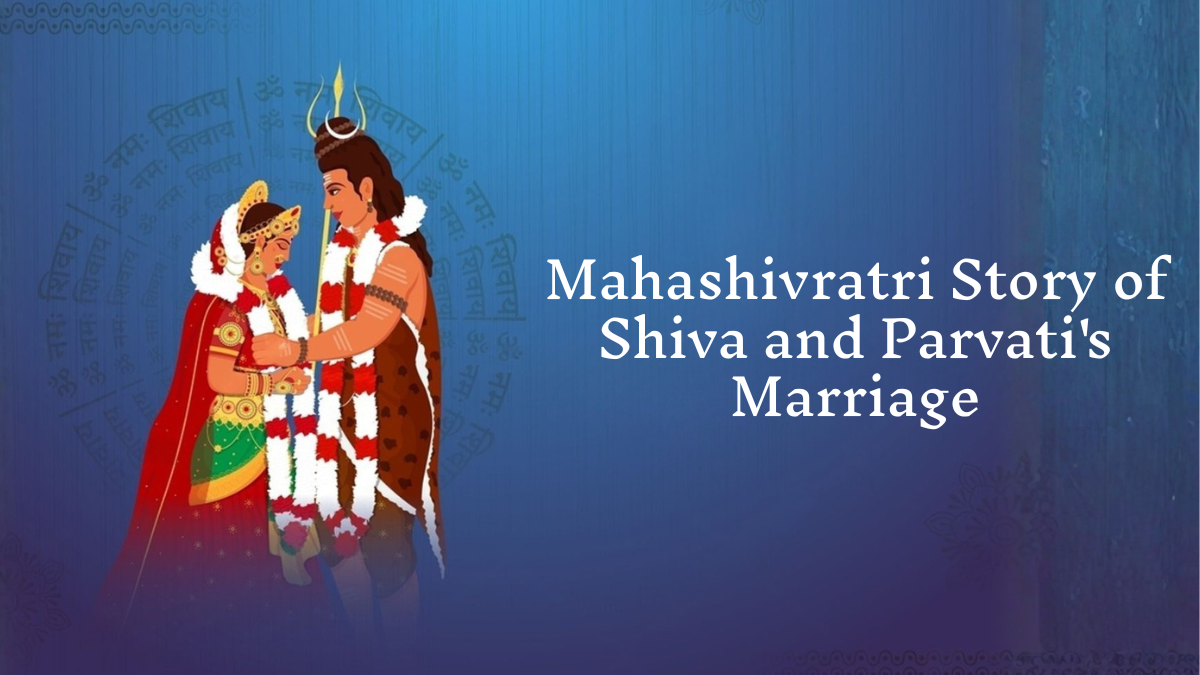
This blog explores the sacred Mahashivratri story of Lord Shiva and Goddess Parvati’s divine marriage. It highlights Parvati’s intense penance, unwavering devotion, and the spiritual significance of their union, symbolizing the balance of consciousness and energy, devotion and detachment. The story explains why Mahashivratri is celebrated as a powerful night of spiritual awakening, faith, and divine blessings.
આ Mahashivratri story of Lord Shiva and Goddess Parvati’s marriage is one of the most sacred and spiritually enriching narratives in Hindu scriptures. This timeless Maha Shivratri story symbolizes unwavering devotion, divine patience, intense penance, and the ultimate union of consciousness and energy.
The divine event of Mahashivratri Shiv Parvati Vivah is not just a mythological tale but a profound spiritual lesson for devotees across generations.
આ Mahashivratri story explains why Mahashivratri is celebrated as a night of fasting, meditation, and inner awakening. Remembering the Mahashivratri Shiv Parvati Vivah on this auspicious night is believed to remove obstacles, cleanse past karma, and bless devotees with peace, stability, and spiritual growth.
Who Are Lord Shiva and Goddess Parvati?
ભગવાન શિવ is one of the supreme deities of Hinduism and a central figure of the holy Trinity, representing destruction, transformation, and ultimate consciousness. He symbolizes renunciation, meditation, inner stillness, and supreme wisdom. Known as Mahadev, Neelkanth, and Bholenath, Lord Shiva guides devotees toward liberation by destroying ignorance and ego.
Goddess Parvati is the embodiment of divine energy, devotion, compassion, and strength. She represents Shakti, the dynamic force that sustains creation. The ideal consort of Lord Shiva and Goddess Parvati balances his ascetic nature with love, nurturing, and worldly harmony.
Together, Lord Shiva and Goddess Parvati form the divine family. Their sons, ભગવાન ગણેશ, the remover of obstacles and Lord Kartikeya, the deity of courage and victory, symbolise wisdom, righteousness, and strength. This sacred family represents the perfect balance between spirituality, responsibility, and devotion, inspiring devotees to lead a harmonious and purposeful life.
Mahashivratri Story: Origin of Goddess Parvati
અનુસાર Mahashivratri story, Goddess Parvati was born as the daughter of King Himavan, the lord of the Himalayas, and Queen Mena. From her early childhood, Parvati displayed extraordinary spiritual qualities and a deep attraction toward ascetic life. This Maha shivratri story reveals that her soul instinctively recognized Lord Shiva as her eternal companion.
Sages foretold that Parvati was destined to marry Lord Shiva. This revelation strengthened her determination and devotion. This stage of the Maha shivratri story establishes the divine destiny behind the sacred Mahashivratri Shiv Parvati Vivah.
Mahashivratri Story of Parvati’s Intense Tapasya
આ mahashivratri story narrates how Goddess Parvati renounced royal luxuries and chose a life of severe austerity to attain Lord Shiva. She lived in forests, practised deep meditation, observed prolonged fasting, and endured harsh conditions. This phase of the maha shivratri story highlights self-discipline, sacrifice, and spiritual endurance.
Lord Shiva tested Parvati’s devotion by appearing in disguised forms to challenge her resolve. Her unwavering faith and humility proved her spiritual purity. The Mahashivratri Shiv Parvati Vivah thus emerged as the divine reward for her unmatched devotion.
Lessons of Devotion from Parvati’s Tapasya
Parvati’s tapasya in the Mahashivratri story stands as the highest example of pure devotion and unwavering faith. She willingly renounced royal comforts and worldly pleasures to pursue a life of spiritual discipline and self-realization. Her intense meditation and penance reflect the power of surrender and inner strength.
One of the greatest lessons from Parvati’s tapasya is patience. Despite facing extreme hardships and divine tests, she never wavered in her resolve or questioned her faith. Her journey teaches devotees that true devotion is not driven by desire but guided by selflessness, humility, and complete trust in the divine plan.
Parvati’s tapasya also highlights the importance of self-control and purity of intention. Through fasting, meditation, and austerity, she purified her mind and soul, making herself worthy of divine grace. This lesson inspires devotees to practice discipline, detach from ego, and remain committed to spiritual growth.
Ultimately, the Mahashivratri story reveals that Parvati’s devotion was rewarded not merely with marriage, but with spiritual union. Her tapasya reminds devotees that sincere effort, dedication, and surrender lead to divine blessings and inner awakening.
Mahashivratri Story: Shiva Accepts Parvati
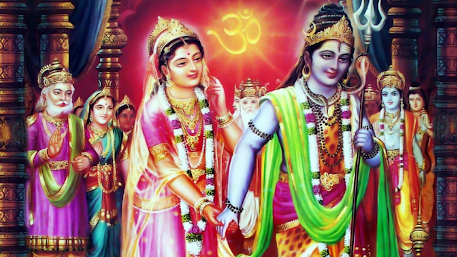
The acceptance of Goddess Parvati by Lord Shiva signifies the successful completion of her intense penance and unwavering devotion. This divine moment marks the beginning of the sacred Mahashivratri Shiv Parvati Vivah, symbolizing the union of supreme consciousness and divine energy.
Lord Shiva’s acceptance reflects the truth that pure devotion, when practiced with sincerity and humility, never goes unnoticed by the divine. This phase of the Maha Shivratri story highlights that spiritual achievement is not instant but earned through perseverance and inner transformation.
Parvati’s journey teaches devotees that divine grace is bestowed only after one rises above ego, desire, and impatience. Her acceptance by Lord Shiva represents the victory of faith over doubt and surrender over self-will.
Mahashivratri Shiv Parvati Vivah
The divine Mahashivratri Shiv Parvati Vivah took place on the sacred night of Mahashivratri. Gods, sages, celestial beings, and divine energies gathered to witness this cosmic wedding. As described in the Maha Shivratri story, Lord Shiva arrived as an ascetic, symbolizing detachment from materialism.
આ Mahashivratri Shiv Parvati Vivah represents the sacred union of Shiva (pure consciousness) and Shakti (divine energy). This Maha Shivratri story explains why Mahashivratri is celebrated as a night of cosmic balance and spiritual power.
Spiritual Meaning of Mahashivratri Story
આ Maha Shivratri story carries deep spiritual significance. It teaches balance between masculine and feminine energies, renunciation, self-control, and inner awakening. The Mahashivratri Shiv Parvati Vivah symbolises harmony, completeness, and the union of soul and supreme consciousness.
Listening to or reading the Maha Shivratri story is believed to purify the mind and elevate spiritual awareness. The Mahashivratri Shiv Parvati Vivah inspires devotion, peace, and divine connection.
Watch and listen complete Mahashivratri Story of Shiva and Parvati’s Marriage
Importance of Mahashivratri Story for Devotees
આ Maha shivratri story holds deep spiritual significance for devotees, as it reminds them that sincere devotion, patience, and unwavering faith can overcome even the greatest obstacles in life.
The story reflects how true love and dedication toward the divine ultimately lead to fulfillment and inner transformation. By understanding and reflecting on the Maha Shivratri story, devotees learn the value of self-discipline, perseverance, and surrender to divine will.
Observing Mahashivratri while contemplating the Mahashivratri Shiv Parvati Vivah is believed to bring marital harmony, emotional stability, spiritual growth, and divine protection.
Married couples pray for a strong and balanced relationship, while unmarried devotees seek a righteous and spiritually aligned life partner through the blessings of Lord Shiva and Goddess Parvati.
નિષ્કર્ષ
આ maha shivratri story of Lord Shiva and Goddess Parvati’s marriage is a timeless spiritual guide. The sacred Mahashivratri Shiv Parvati Vivah teaches devotion, sacrifice, balance, and surrender. By understanding and reflecting upon this Maha Shivratri story, devotees can attain inner peace, spiritual awakening, and divine blessings.
વારંવાર પૂછાતા પ્રશ્નો
What is the Mahashivratri story?
The Mahashivratri story narrates the divine marriage of Lord Shiva and Goddess Parvati.
Why is Mahashivratri celebrated?
It commemorates the Mahashivratri Shiv Parvati Vivah and spiritual awakening.
What does the Mahashivratri story symbolize?
It symbolizes devotion, penance, and divine union.
Why did Goddess Parvati perform penance?
To attain Lord Shiva as described in the Mahashivratri story.
When did Mahashivratri Shiv Parvati Vivah occur?
On the sacred night of Mahashivratri.
What is the spiritual lesson of the Mahashivratri story?
Devotion and patience lead to divine grace.
Is the Mahashivratri story important for married couples?
Yes, it symbolizes harmony and balance.
Can the Mahashivratri story be read at home?
Yes, with devotion and purity.
Why do devotees fast on Mahashivratri?
To honor the Mahashivratri story and purify the soul.
What is the main message of the Mahashivratri story?
Faith, devotion, and surrender lead to spiritual fulfillment.